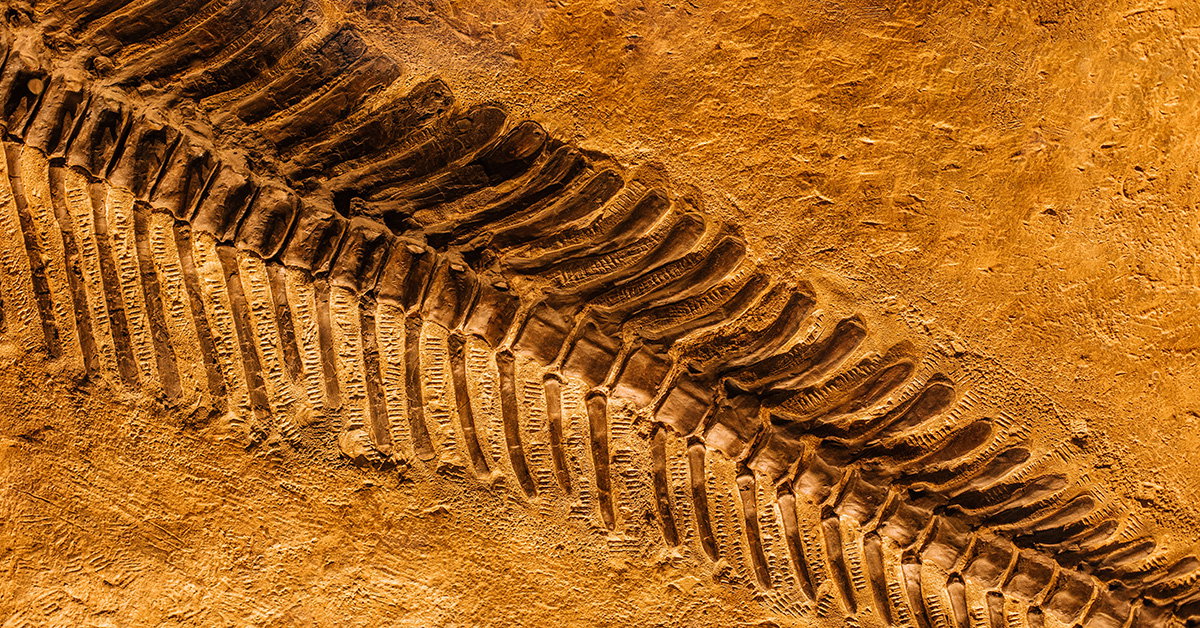
A reptile fossil uncovered in Brazil is helping researchers better understand a pivotal stage in the evolution of the animal group that later produced both dinosaurs and crocodiles. The find points to a time long before either group came to dominate their environments, when their shared ancestors were still diversifying.
According to the report, the fossil dates to a period shortly after Earth’s largest known mass extinction, a moment when life was rebuilding and new evolutionary paths were opening. That makes the discovery especially important, because it offers a glimpse into how early reptiles adapted and changed in a world recovering from a global biological crisis.
Scientists say the Brazilian specimen adds evidence about the early branches of the lineage linking dinosaurs and crocodiles. By studying fossils from this interval, researchers can piece together how key traits emerged and how these ancient relatives spread and evolved over time.
The discovery also highlights Brazil’s importance for paleontology, particularly for fossils that illuminate major turning points in vertebrate history. Even with only a fragment of the distant past available, finds like this can sharpen the picture of how some of the most famous reptile groups on Earth began.