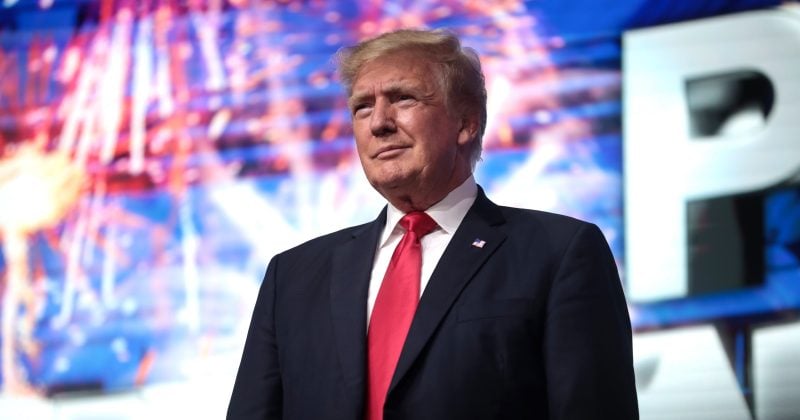
Donald Trump signaled a less alarmed view of Iran ahead of a closely watched meeting with Israeli Prime Minister Benjamin Netanyahu, a stance that could influence how observers assess the next phase of regional diplomacy. The timing is significant because any shift in tone around Iran can affect expectations for talks involving the United States, Israel and other Middle East partners.
According to the available report, Trump also expressed frustration with Netanyahu over reported intelligence disclosures tied to Iran. That added a layer of tension to the lead-up to their meeting and suggested that the discussion may involve not only security concerns, but also how sensitive information has been handled.
Trump’s approach appears to lower the immediate sense of urgency around direct U.S.-Iran engagement. If that view gains traction, it could reshape diplomatic calculations across the region, especially as governments weigh security risks against the possibility of broader regional talks.
Markets are also watching for any strategic change linked to Iran, Israel and wider Middle East policy. Even without a formal policy announcement, Trump’s comments ahead of the Netanyahu meeting are being read as an important signal about how regional stability and future negotiations may be framed.