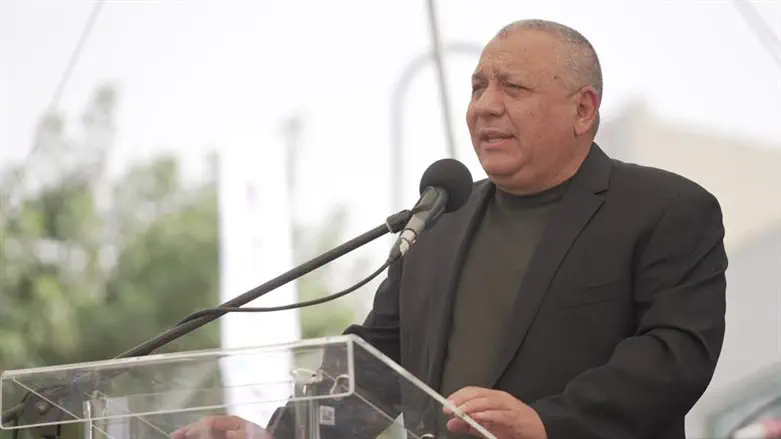
A new debate in Israeli politics is focusing on Gadi Eisenkot, the former IDF chief of staff who has become one of the most prominent military figures to enter the political arena. The discussion goes beyond his personal prospects and asks a broader question: whether celebrated generals are naturally suited to lead the country as prime minister.
The argument highlighted in this commentary is that some of Israel’s biggest strategic mistakes were made not by inexperienced civilians, but by highly respected military commanders who later reached the top political office. In that framing, battlefield credentials are presented as no guarantee of sound national strategy once a leader moves into the more complex world of elections, coalitions and long-term statecraft.
Eisenkot is described as the latest senior general to draw public attention in this long-running pattern. As a former army chief and a relatively recent member of the wartime security cabinet, he embodies the kind of security-heavy profile that often carries major weight with Israeli voters, especially during periods of conflict and political uncertainty.
The broader takeaway is that military leadership and political leadership are not the same skill set. The piece uses Israel’s history of generals entering public life to argue that voters should judge candidates not only by their service records, but also by their political judgment, strategic restraint and ability to govern in a civilian democratic system.