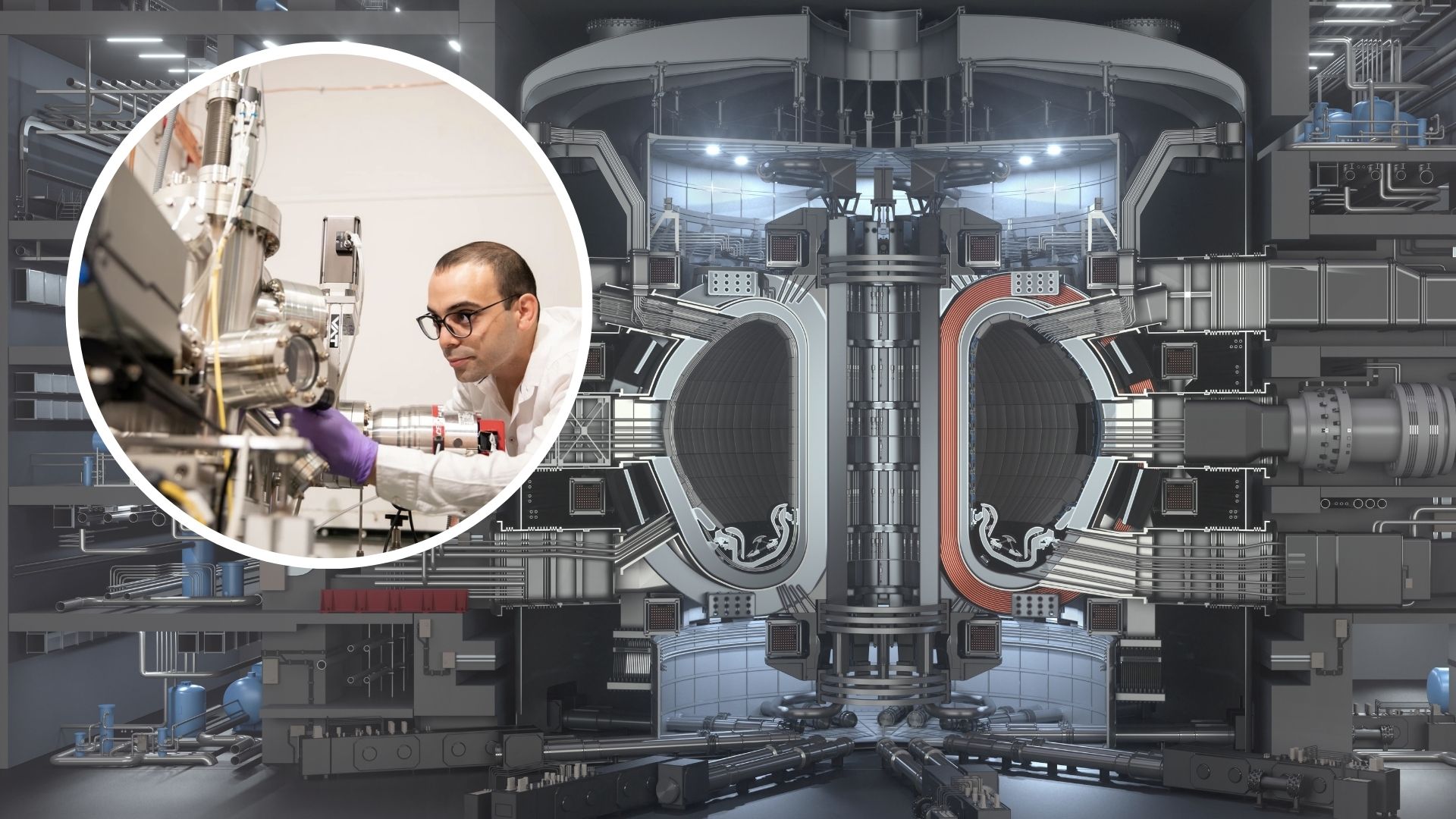
Researchers in the United States have reported that graphene nanoribbons, a nanoscale semiconductor material, can tolerate extremely harsh conditions. The finding points to a possible new class of materials for environments where conventional components may struggle to survive.
The result is especially significant for fusion energy, where reactor systems must operate under intense stress. One of the biggest barriers to practical fusion power is developing materials that can keep working in these demanding settings for long periods.
Graphene nanoribbons are tiny strips of graphene engineered to have semiconductor properties. If they continue to perform reliably in extreme environments, they could help address a major materials challenge tied to moving fusion technology closer to real-world electricity generation.
While more work is likely needed before any commercial use, the research adds momentum to the search for tougher, more resilient materials in advanced energy systems. For fusion developers, that makes graphene nanoribbons a promising area to watch.