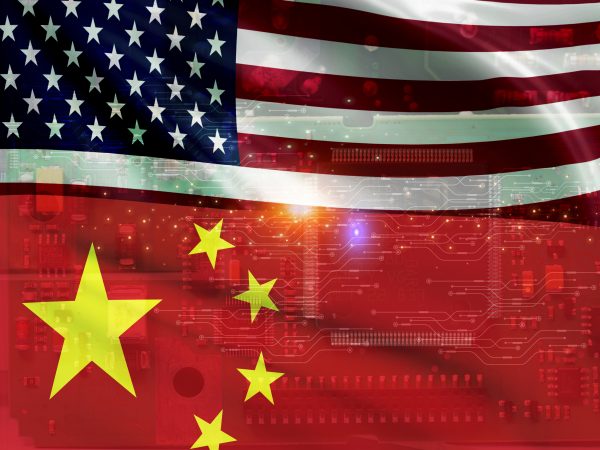
China’s global outreach is entering a new stage, shifting from large-scale infrastructure projects toward influence in artificial intelligence and other emerging technologies. After years of expanding its reach through roads, ports, fiber networks, and digital systems tied to the Belt and Road Initiative, Beijing is now positioned to shape the next wave of technological competition.
The idea behind this “emerging tech trap” is that influence no longer depends only on financing and construction. It can also come from setting standards, building long-term technology relationships, and becoming a key partner for countries seeking AI tools and digital development. In that environment, diplomatic leverage can grow alongside technical adoption.
For the United States, the challenge is broader than restricting Chinese advances. A successful response would likely require an active diplomatic strategy that offers partners practical alternatives in AI and related technologies. That means working with allies, supporting trusted technology ecosystems, and engaging more directly in the rules and institutions that will govern future innovation.
The argument points to a competition that is increasingly about who helps other countries build their digital future. If China’s earlier advantage came from physical and digital infrastructure exports, the next contest may be over AI partnerships and technological norms. In that setting, US policy would need to combine national security concerns with a more outward-looking approach to technology diplomacy.