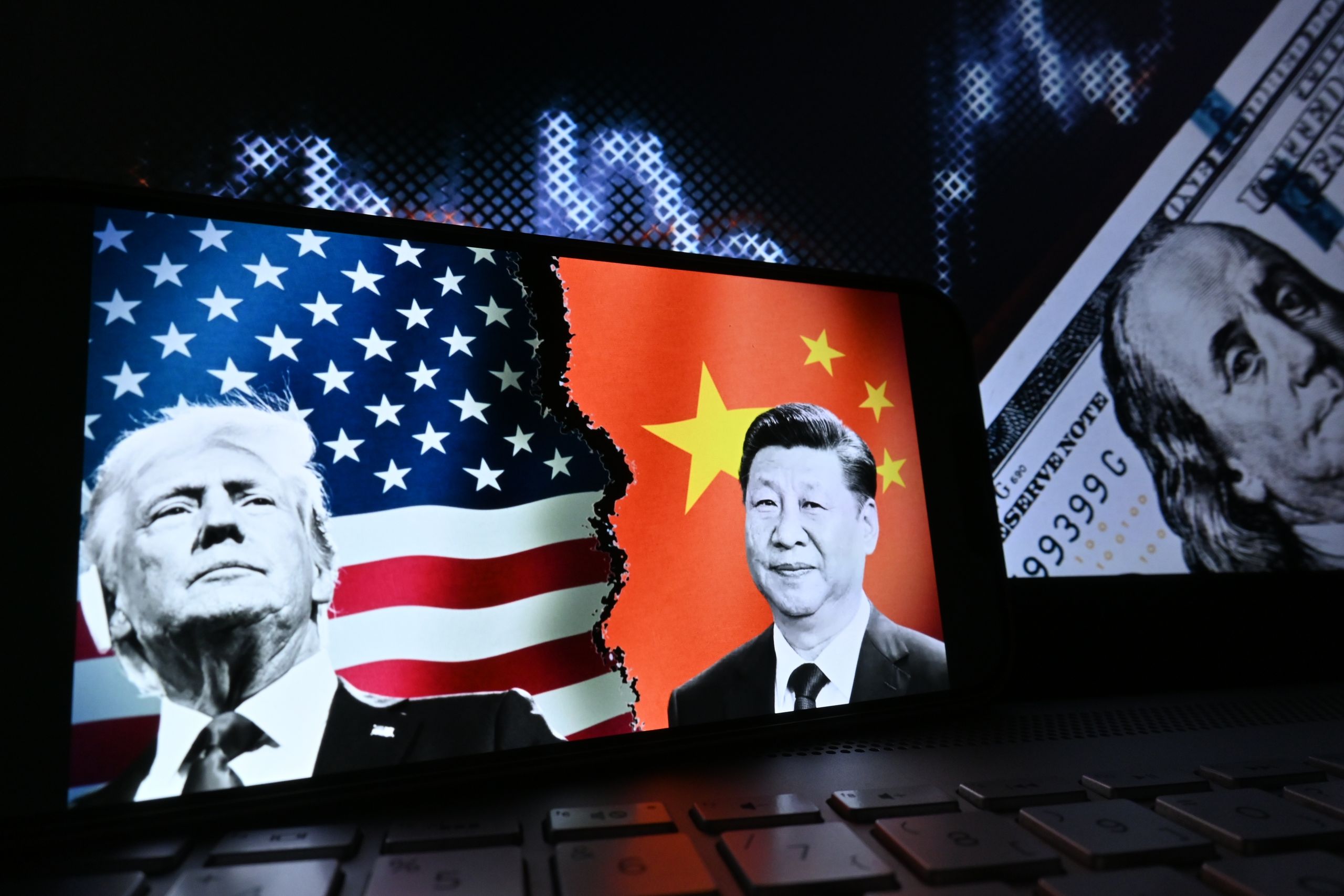
China’s growing pressure on AI companies is fueling a wider debate about how the industry has been allowed to expand with limited oversight. As artificial intelligence develops faster than lawmakers can respond, even some executives have started to admit that regulation has not kept pace with the technology.
The argument at the center of this discussion is simple: many AI firms have pushed ahead aggressively, while concerns about rights, accountability and fair use were often treated as obstacles to innovation. That makes it harder to generate sympathy when those same companies face resistance from abroad, including from China.
The issue also reflects a broader tension in the AI race. Governments want economic and strategic advantages from artificial intelligence, but they are also being forced to confront the risks that come with rapid deployment. Those risks can include weak safeguards, unclear rules around data, and unresolved questions about how AI systems are trained and used.
Seen in that context, China’s approach is being framed less as an isolated problem for tech firms and more as a reminder that the AI boom cannot stay ahead of accountability forever. The larger message is that the industry may now be encountering the same kind of hard limits and pushback that others have faced from AI’s rapid rise.