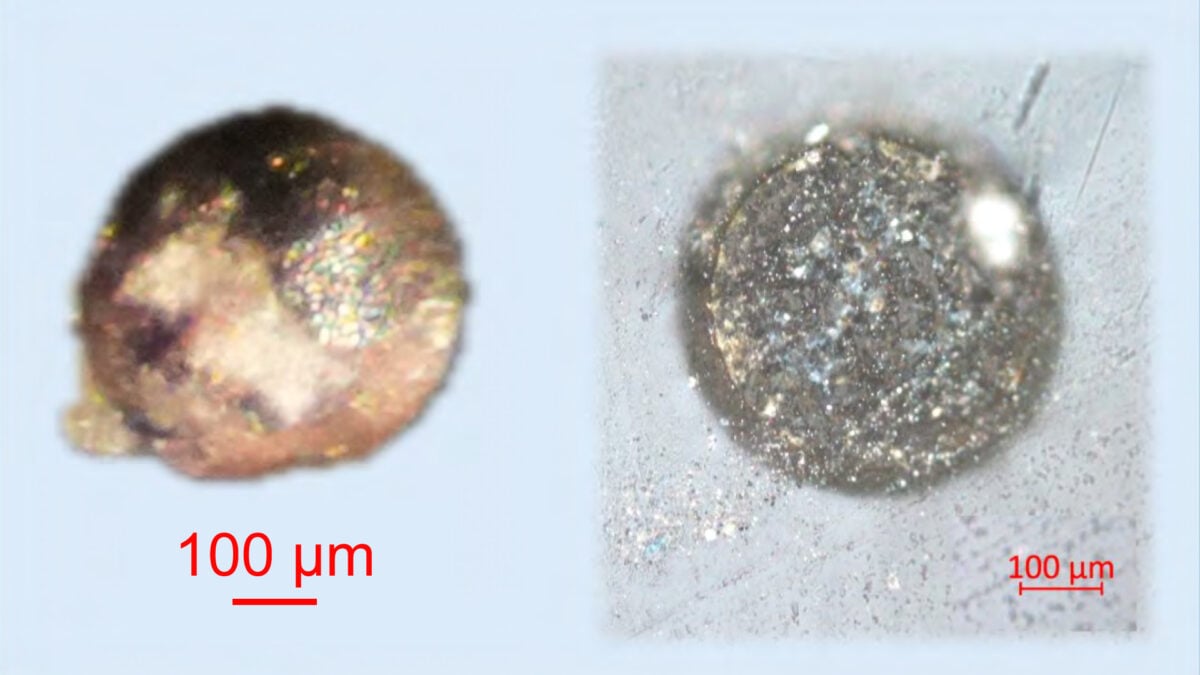
Physicists say they have identified a previously unknown substance linked to the aftermath of the Hiroshima atomic bombing, adding a new scientific dimension to one of history’s most destructive events. The finding suggests the blast did more than devastate the city: it also created rare physical conditions capable of producing unusual material structures.
According to the report, the atomic explosions over Hiroshima and Nagasaki in 1945 generated immense heat and pressure within seconds, transforming the surrounding landscape as expanding fireballs swept outward. Researchers now argue that these extreme conditions effectively acted like a short-lived natural laboratory, allowing matter to form in ways not normally seen.
The discovery highlights how nuclear detonations can leave behind more than radioactive traces and shattered infrastructure. By examining bomb-related debris, scientists are learning that the violent mixing and rapid cooling of urban materials may produce substances with unexpected properties and atomic arrangements.
While the historical context remains profoundly tragic, the research points to a surprising scientific legacy buried in the remnants of the blasts. For physicists and materials scientists, the newly identified substance offers fresh evidence that some of the most intense events ever created by humans can also generate entirely unfamiliar forms of matter.





