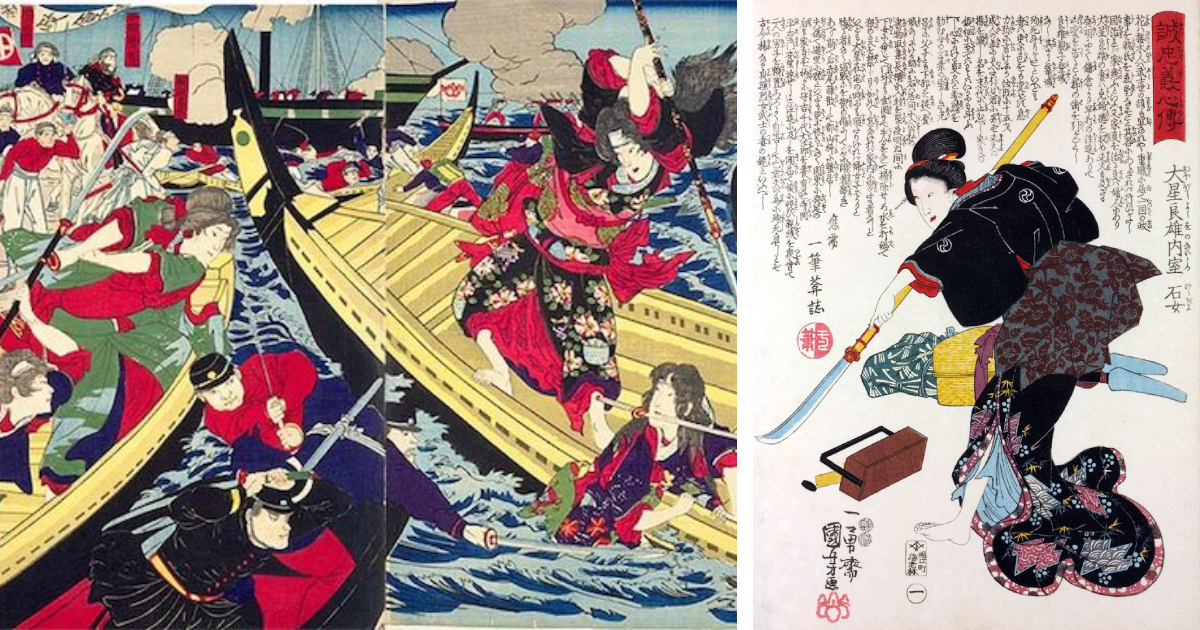
New DNA and archaeological research is drawing fresh attention to an overlooked part of Japan’s past: the role of women in warrior culture. For generations, the popular image of the samurai has centered on men, reinforced by paintings, films, and historical storytelling that frame combat as an almost exclusively male sphere.
The emerging findings challenge that narrow view. By combining scientific analysis with material evidence from the archaeological record, researchers are helping build a fuller picture of how women may have participated in conflict and occupied positions linked to martial life. The work suggests that older assumptions about who fought, defended communities, or held warrior status may be incomplete.
This matters because public understanding of samurai history has often relied on long-standing cultural narratives rather than new evidence. When DNA testing is paired with burial studies and other archaeological methods, it can reveal identities and roles that were previously misread or ignored. In that sense, the research is not just adding a few forgotten figures to history; it is reshaping how that history is interpreted.
The renewed focus on Japan’s women warriors reflects a broader shift in historical research, where science is being used to revisit stories once treated as settled. As more evidence is examined, the history of samurai-era Japan may appear less rigidly male than many people have been led to believe.





