Ukraine’s move to close the Sea of Azov is disrupting a major Russian export channel and adding fresh instability to global commodity markets. The route is considered critical for Russian shipments, particularly grain, and the latest interruption is drawing attention from traders already watching supply risks closely.
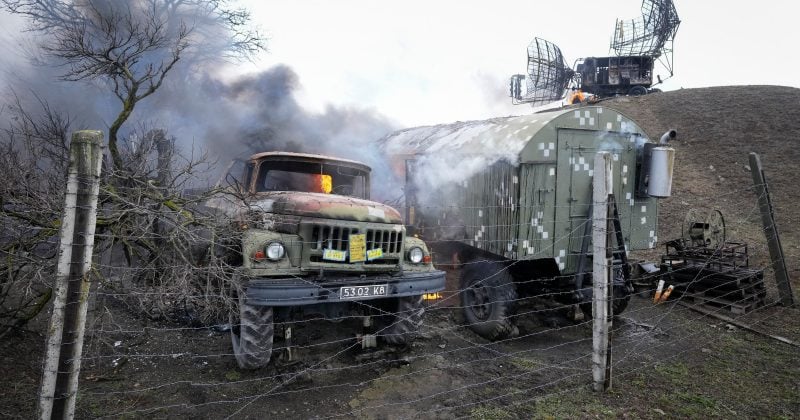
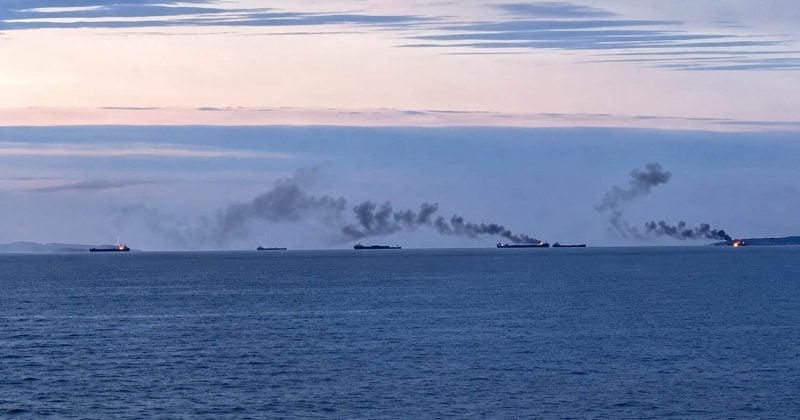
According to the available report details, Ukrainian drone strikes on more than 90 Russian vessels helped shut down the corridor. The affected route is said to handle roughly a quarter of Russia’s grain exports, making the closure significant not only for regional shipping but also for international agricultural trade.
The market reaction was swift, with wheat futures moving higher as investors priced in the possibility of tighter supply and further logistical disruption. When a large export pathway is suddenly constrained, concerns can spread beyond one commodity, especially when grain flows are tied to broader food and freight networks.
The episode underscores how vulnerable global supply chains remain during wartime. A single chokepoint in the Black Sea region can quickly ripple through export logistics, pricing, and risk sentiment, reinforcing how closely commodity markets are linked to military developments around key shipping lanes.