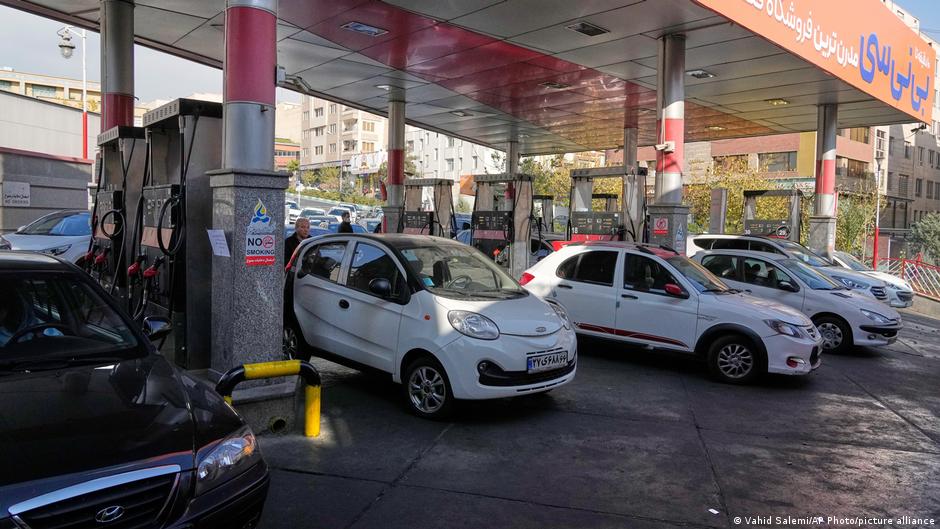
Iran is edging toward a politically sensitive increase in gasoline prices as officials try to slow fuel use and manage a growing supply problem. The move reflects rising concern inside the country over the widening gap between how much fuel Iran produces and how much it consumes at home.
Authorities appear to see higher prices as one of the few available tools to reduce demand. But any change to gasoline costs carries major risks in Iran, where fuel prices have long been a deeply sensitive issue and where many households are already under intense financial strain.
That tension leaves the government in a difficult position. If it keeps prices low, consumption may continue to climb and put more pressure on supplies. If it raises prices too quickly, it could deepen public frustration at a time when many families are struggling with everyday living costs.
The debate over gasoline pricing has therefore become about more than energy policy. It highlights the broader challenge facing Iranian leaders as they try to contain a fuel crunch while avoiding the kind of social backlash that can follow sudden increases in basic expenses.