Concern is rising in Kazakhstan over a proposed or looming Chinese "ethnic unity law" that appears to extend Beijing’s focus beyond its own borders. The issue has drawn attention because the measure is seen as giving Chinese authorities a broader basis to target people accused of undermining ethnic unity, even if they are outside China.
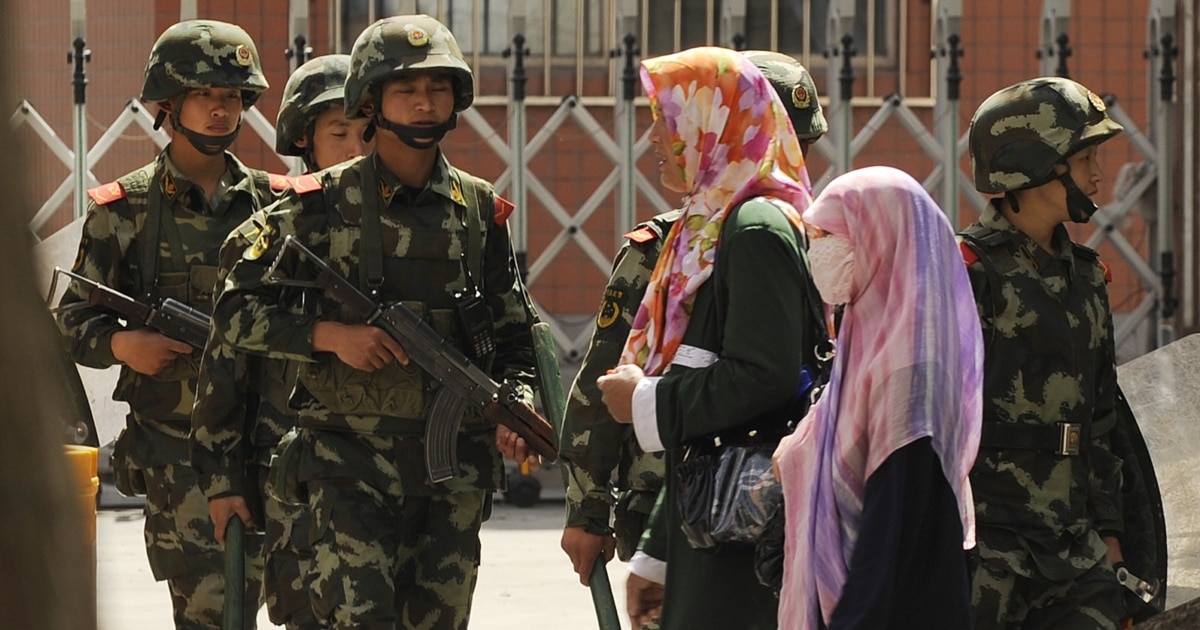
Those concerns are especially sharp among Chinese-born, majority Muslim Turkic minorities living in neighboring Kazakhstan. For communities with family, cultural, or personal ties across the border, the prospect of a wider Chinese reach has added to fears about surveillance, pressure, and possible legal exposure tied to political or ethnic issues.
The anxiety reflects more than a domestic Chinese legal debate. In Kazakhstan, the law is being viewed through the lens of regional geography and cross-border influence, with Beijing’s policies potentially affecting people who now live beyond China’s jurisdiction. That has made the topic particularly sensitive in a country that shares a long border and deep economic links with China.
As Beijing signals a tougher stance on anything it defines as a threat to ethnic unity, the debate in Kazakhstan is increasingly about how far that policy could travel. For affected minorities, the concern is not only what the law says inside China, but what it could mean for daily life, security, and freedom just across the border.