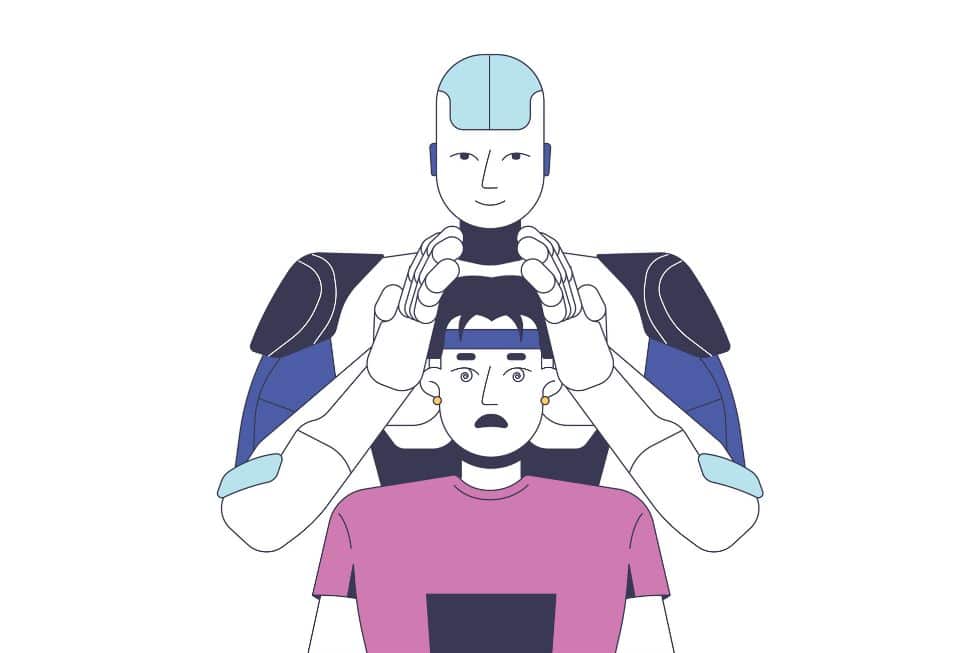
Meta founder and CEO Mark Zuckerberg is staking out an ambitious timeline for artificial intelligence, predicting that billions of people will have their own personal AI agents within the next five years. The outlook frames how he sees the next wave of computing: assistants that are individualized, always available and capable of handling everyday tasks for users at massive scale.
That vision comes as Meta pours billions of dollars into AI infrastructure and agent development. The company’s spending signals a bet that sophisticated assistants will become central to how people interact with services and information, even if the payoff takes time. Zuckerberg is working to persuade investors that today’s heavy investment will translate into durable products and revenue in the years ahead.
Personal AI agents, as described by industry leaders, could learn user preferences, manage communications, surface relevant content and perform actions on behalf of individuals across devices. Zuckerberg’s timeline suggests Meta expects rapid improvement in foundational models and the systems needed to run them reliably for huge global audiences.
The push underscores a broader race to define what comes after basic chatbots: personalized, proactive AI that feels more like a companion than a tool. For Meta, convincing markets to accept near‑term costs while betting on a five‑year horizon will be critical to sustaining the build‑out. If the forecast holds, the next half‑decade could see AI agents move from niche experiments to everyday utilities for billions of people.