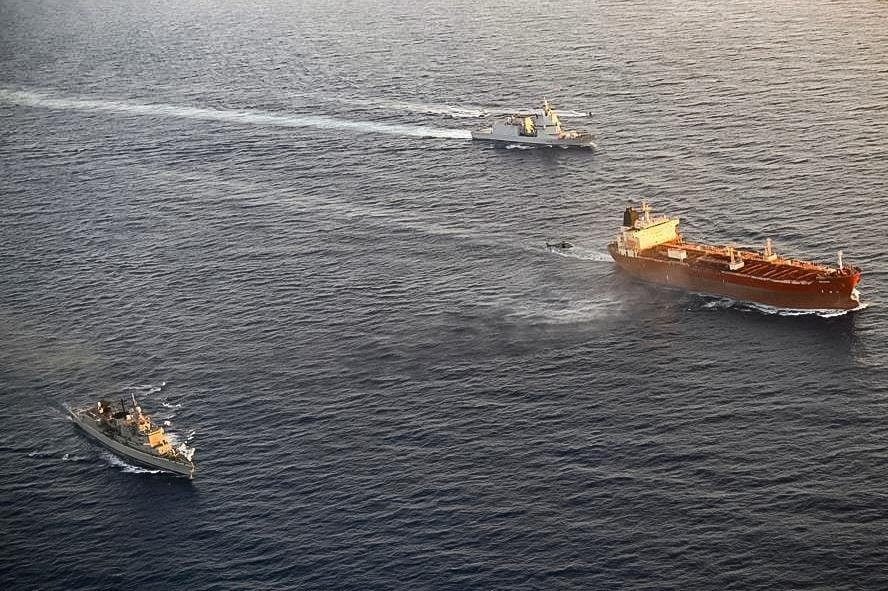
The confrontation between the United States and Iran appears to be entering a more dangerous stage, with Saudi Arabia now publicly taking part in military moves against Tehran-backed proxy forces. That development suggests the conflict is no longer defined only by direct U.S.-Iran tension, but also by a wider regional alignment around proxy battles.
Saudi Arabia’s visible role is significant because much of the pressure between Washington and Tehran has often played out indirectly through armed groups linked to Iran. A public Saudi contribution to that escalation points to a broader front against those proxies and raises the stakes for any effort to keep the fighting contained.
At the same time, diplomacy aimed at stopping the war or lowering tensions has reportedly stalled again. With talks already in a weak position, the return to military escalation leaves fewer openings for a negotiated pause and makes any immediate breakthrough look increasingly unlikely.
The result is a stop-start conflict that may now be harder to manage than before. As military pressure grows and diplomatic channels remain blocked, the risk of a wider and more unpredictable regional crisis appears to be increasing.