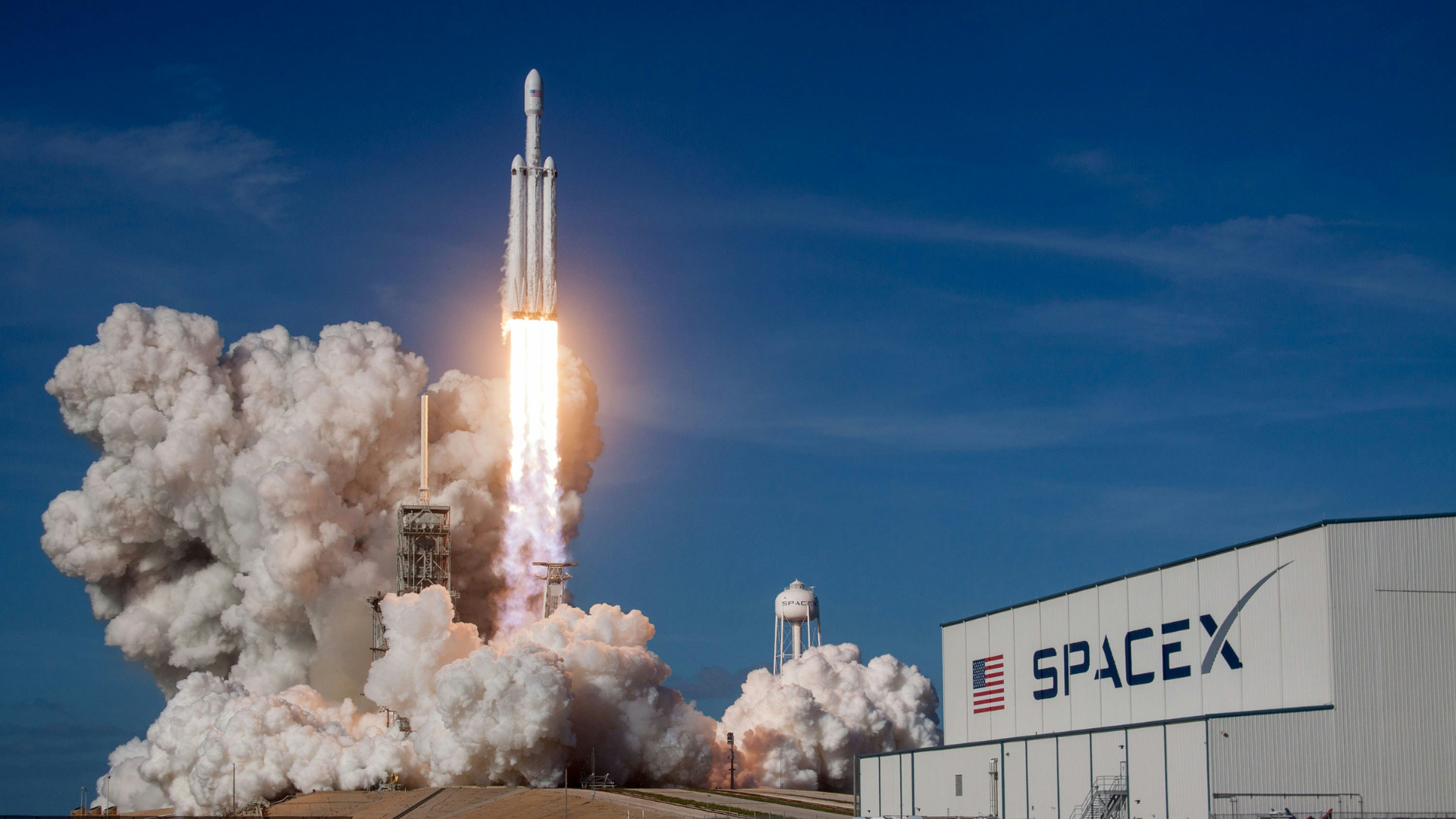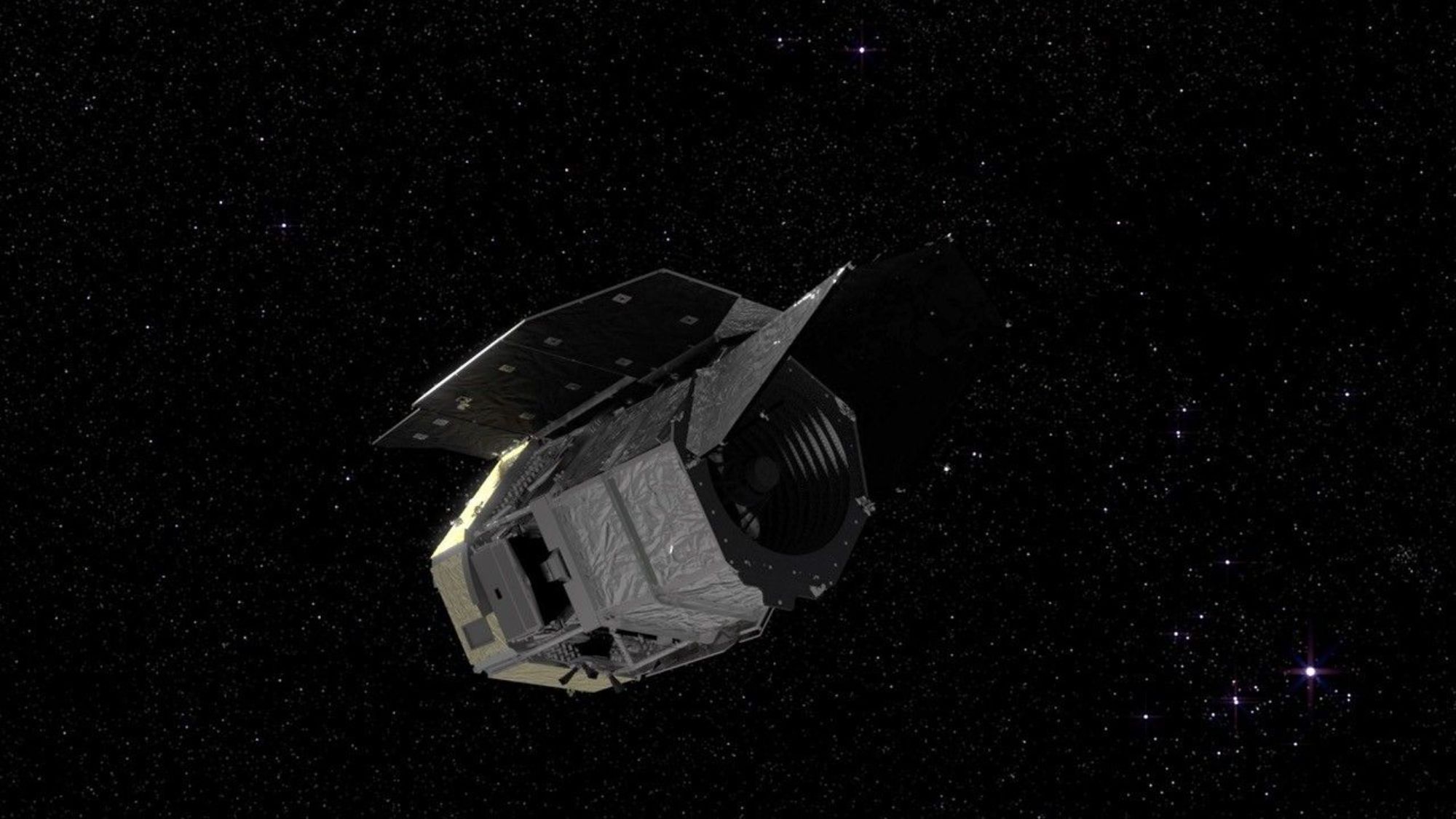
NASA’s Roman Space Telescope is reportedly ready for an Aug. 30 launch, marking the next major step for what the agency is positioning as its next great observatory. The mission is being presented as a powerful new tool for space research, with capabilities that go beyond what current observatories can easily achieve.
The clearest example of that leap is its planned view of the Milky Way. According to the description provided, just one month of Roman observations of our galaxy would amount to work that would take the Hubble Space Telescope roughly a century to complete. That comparison highlights how much faster and broader Roman’s surveys are expected to be.
The mission’s promise is summed up in the idea that it will do things that are currently impossible. In practical terms, that points to a telescope built to capture huge amounts of data across wide areas of space, allowing scientists to study the Milky Way and other targets on a scale that has been difficult to reach until now.
With the launch date approaching, Roman is emerging as one of NASA’s most anticipated space science projects. If the mission proceeds as planned on Aug. 30, it could quickly become a central observatory for large sky surveys and a major successor to earlier generations of space telescopes.