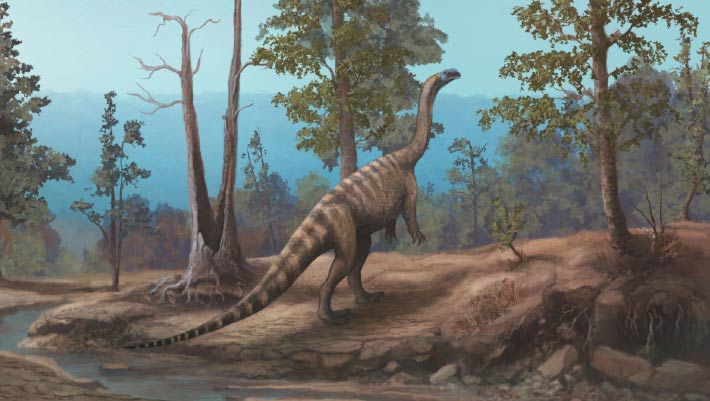
Researchers have reported a new species of Triassic dinosaur from the shores of Lake Kariba in Zimbabwe. The find was made by an international team of paleontologists and is described as an early sauropodomorph, a group linked to some of the best-known long-necked dinosaurs that appeared later.
The discovery adds to a growing picture of southern Africa as an important region for dinosaur evolution during the Late Triassic. Rather than showing a limited range of early dinosaur forms, new fossil evidence suggests the area supported a broader mix of species than scientists once thought.
Because the fossil comes from Zimbabwe, the study also highlights the country’s role in filling gaps in the record of early dinosaurs. Finds from this period are valuable because they help researchers trace how some of the earliest dinosaur lineages spread and diversified across ancient landscapes.
While the full scientific details are limited in the available report, the main takeaway is clear: the Lake Kariba discovery strengthens the case that southern Africa was home to a richer dinosaur fauna in the Late Triassic than previously recognized. That makes the region increasingly important for understanding the early history of dinosaurs.