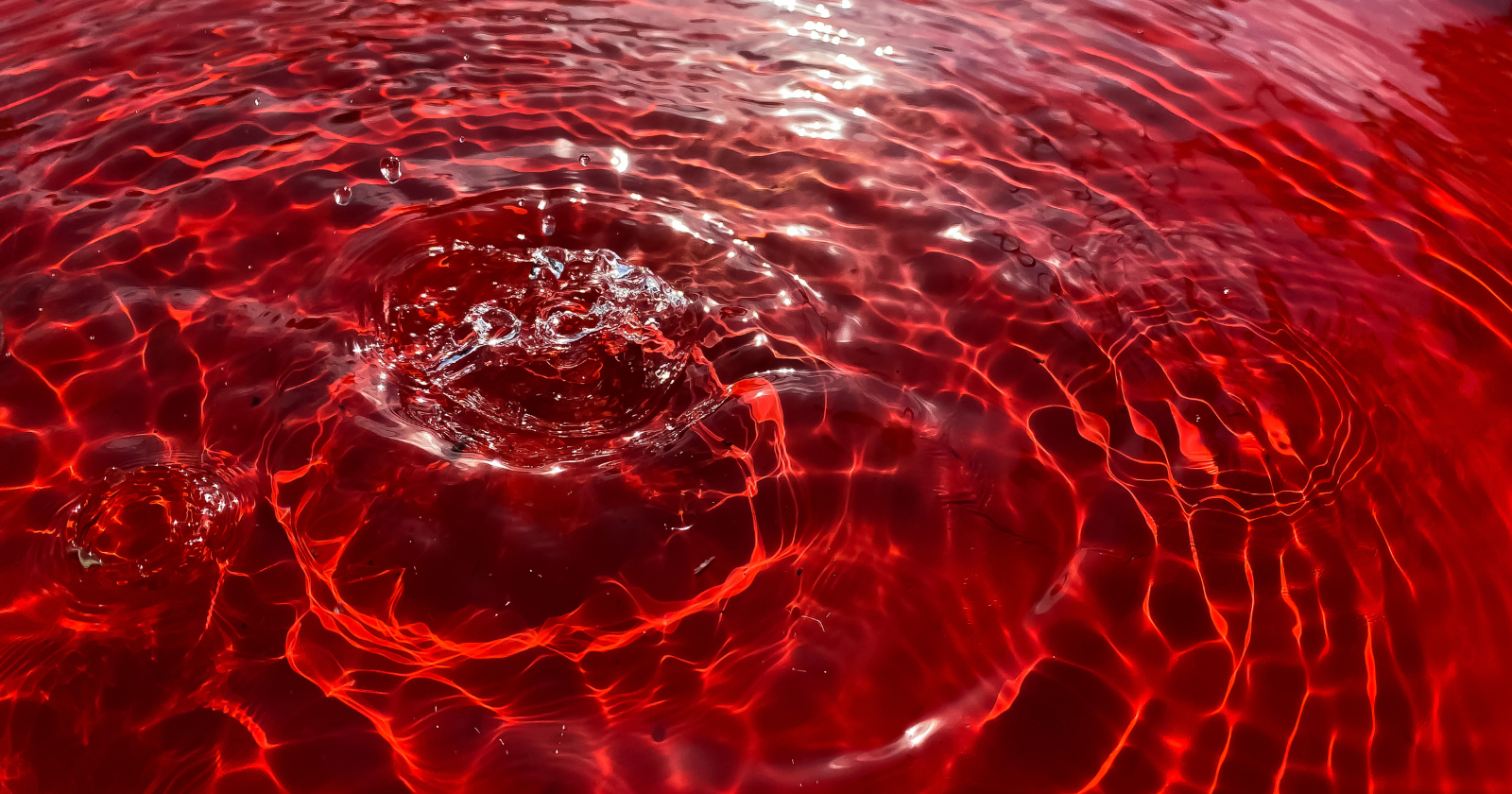
A striking red stain spreading across Antarctica's Taylor Glacier has long looked like a glacier that is somehow bleeding. The latest reporting points again to the unusual source beneath the ice: a hidden reservoir of ancient brine that stays sealed off until it finally escapes.
Scientists say the brine does not come out red at first. According to the report, the liquid emerges clear from the base of Taylor Glacier, and the deep crimson color develops afterward. Once exposed to air, iron in the brine precipitates out, and the red deposit becomes more visible as surrounding ice slowly wears away.
That process helps explain why the feature appears so dramatic against the white glacier surface. What makes the site even more unusual is the isolated world below the ice, where the salty reservoir has remained trapped for an age that researchers are still debating.
The new work described by Space Daily focuses on finally observing the moment this buried brine breaks free. That adds a clearer picture of how Antarctica's famous red glacier flow forms, linking the eerie surface effect to chemical changes that happen only after the trapped liquid reaches open air.