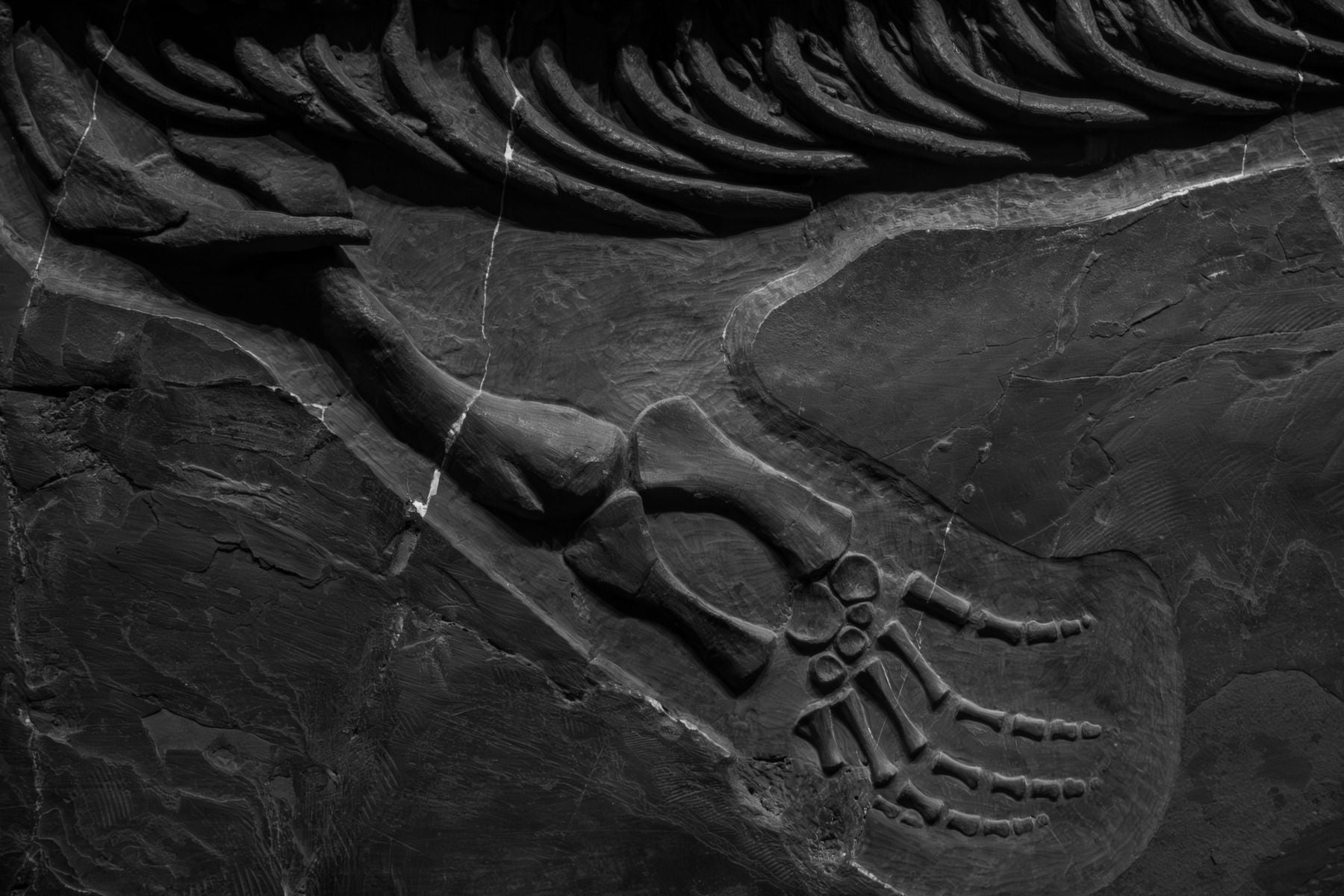
A fossil from northeastern China is drawing attention because it preserves far more than the usual dinosaur remains. Instead of only bones, the specimen of a juvenile plant-eating dinosaur also kept traces of individual skin cells inside hollow, porcupine-like spikes, offering a rare look at the animal’s outer covering.
That kind of preservation is unusual in dinosaur research, where fossils more often consist of teeth, limb bones, vertebrae and other hard parts. Soft tissues and skin-related structures are much harder to retain over deep time, which makes this 125-million-year-old example especially important for paleontologists studying how dinosaurs looked and functioned in life.
The discovery suggests dinosaurs could develop skin architecture that researchers had not previously recognized. The hollow spikes appear to record a surface structure that had gone unnoticed despite more than a century of fossil discoveries, expanding ideas about both dinosaur anatomy and the range of features that might still be found in stone.
Beyond the animal itself, the fossil also reshapes expectations for preservation. If microscopic skin details can survive inside unusual body structures, scientists may be able to re-examine other specimens for hidden evidence of soft tissue, growth and external anatomy that bones alone cannot show.





