The debate over President Donald Trump’s approach to Iran highlights a basic regional divide: what looks manageable from Washington can feel far more dangerous in the Gulf. The core argument is that the United States has the luxury of time for diplomacy or a drawn-out pressure campaign, while nearby Arab states would absorb many of the immediate risks.
Trump’s stated willingness to keep talks on the table fits that reality. A prolonged, lower-level confrontation with Iran would be fought far from American shores, giving Washington more room to balance military pressure with negotiations. That distance also makes it easier for the US to consider a longer effort to reduce Iran’s military strength.
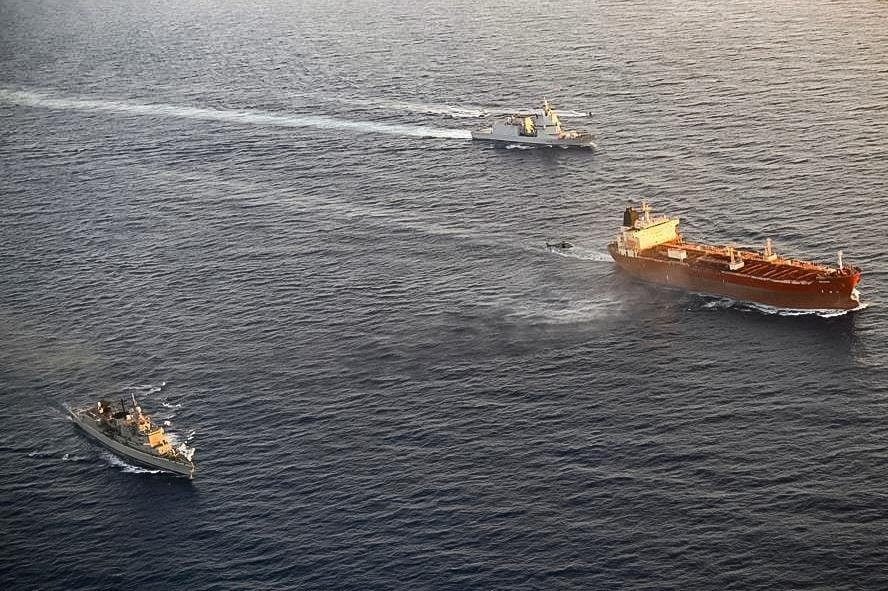
For the six Gulf Arab countries, the calculation is very different. Their cities, shipping routes and economies sit close to the Strait of Hormuz, leaving them exposed to disruption if tensions rise. Even without a full-scale war, any extended confrontation can create pressure on trade, transport, investment and day-to-day security across the region.
That gap in geography helps explain why the same Iran policy can appear sustainable to the US but costly to Gulf partners. A strategy built around patience and prolonged pressure may suit Washington, yet for states nearer to Iran, the price of waiting could be much higher.