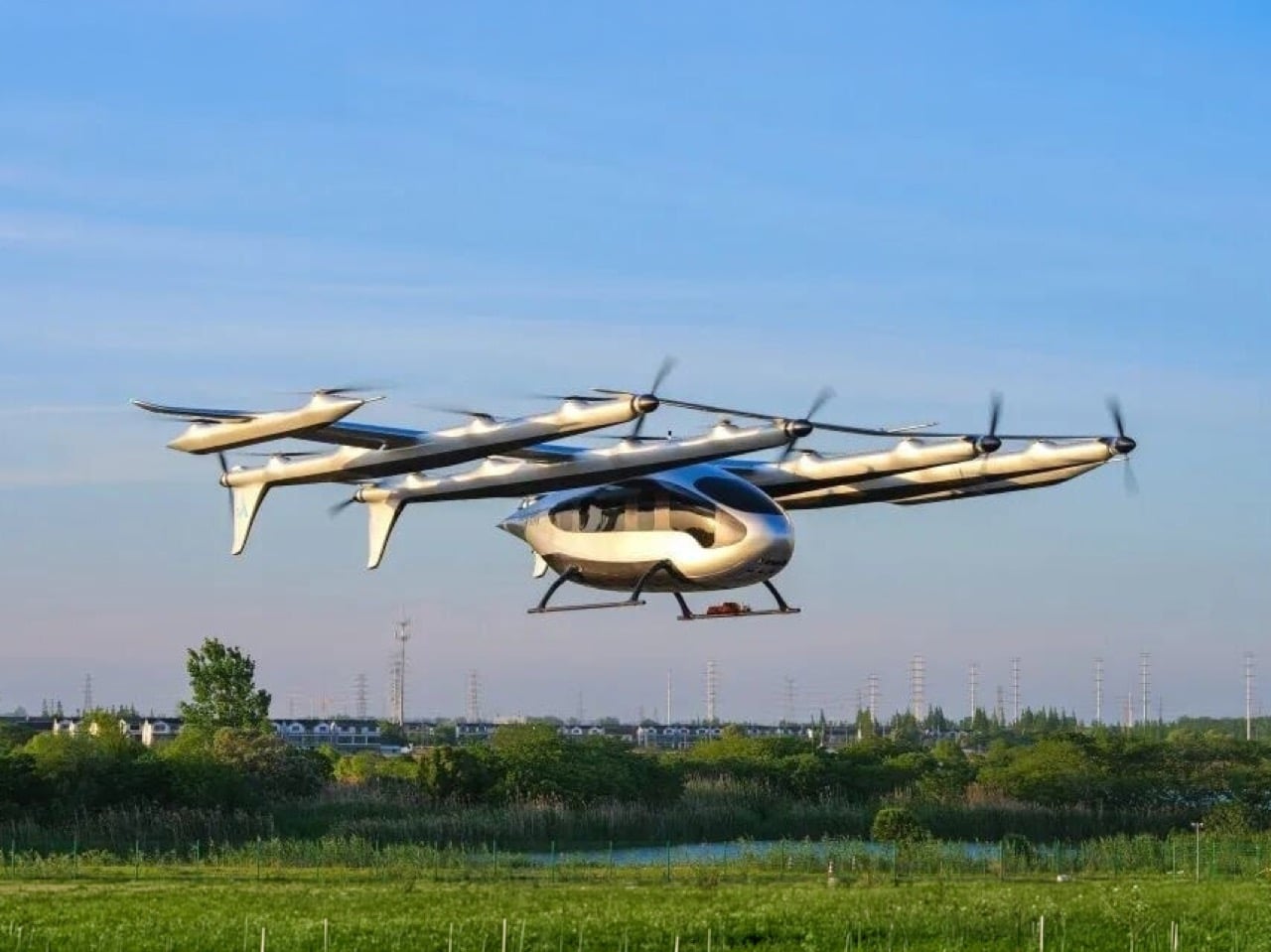
After decades of claims that flying taxis were only a few years away, the technology is beginning to appear in a more limited form. In China, pilotless two-seater aircraft are already being used for paid sightseeing trips, while Dubai is preparing a premium airport shuttle service for later this year. The bigger promise of routine city commuting, however, still looks further off.
One early example arrived in March, when a flight priced at about $41 carried a single passenger on a circular route. EHang, one of the companies most closely linked to this market, pointed to the milestone while reporting fourth-quarter 2026 results on 12 March. The company said its certificated operations were moving into real-world commercial use rather than remaining only as demonstrations.
That shift matters because it suggests urban air mobility is no longer just a concept video or test program. Real certificates and paid tickets indicate regulators are allowing limited passenger services to start. But the current services are much smaller in scope than the old vision of fast, on-demand aerial commuting across crowded cities.
For now, the sector is taking shape around short scenic flights and premium point-to-point routes, not everyday mass transport. The flying taxi may finally have arrived, but in its first practical version it looks more like a tightly controlled specialty service than a mainstream urban commute.