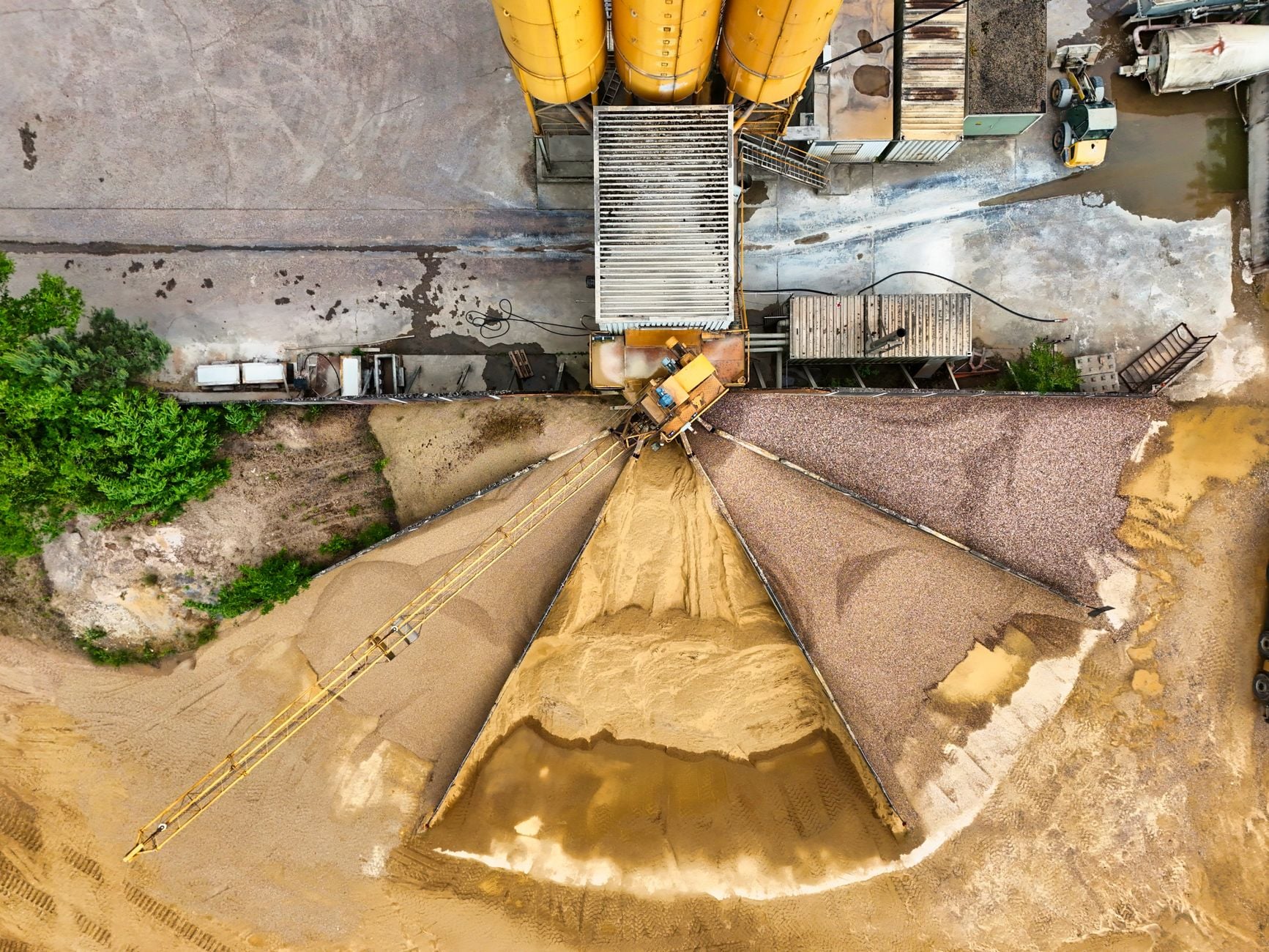
Sand appears to be one of the planet’s most plentiful materials, spread across deserts, coastlines, rivers and shallow seabeds. But the construction industry does not treat all sand as the same. Builders need specific grains that can bind well with cement and other aggregates, which is why useful construction sand is far less interchangeable than it looks.
That matters because humanity uses about 50 billion tonnes of sand and gravel each year, making it the most consumed raw material after water. Much of that demand comes from concrete, roads and other infrastructure. As cities grow and building activity continues, pressure rises on the deposits that meet engineering standards.
A key reason for the mismatch is that wind-blown desert sand is often too fine and too rounded to serve as the main aggregate in strong concrete. Even places surrounded by sand, including desert cities such as Dubai, cannot simply scoop up nearby dunes for large-scale construction. Instead, they rely on processed quarry material, marine sources or imported supplies that better fit structural needs.
The result is a resource challenge hidden behind the appearance of abundance. The world’s most common building material is becoming scarce in the locations and forms that construction requires, highlighting how geology, grain shape and quality can be just as important as sheer volume.