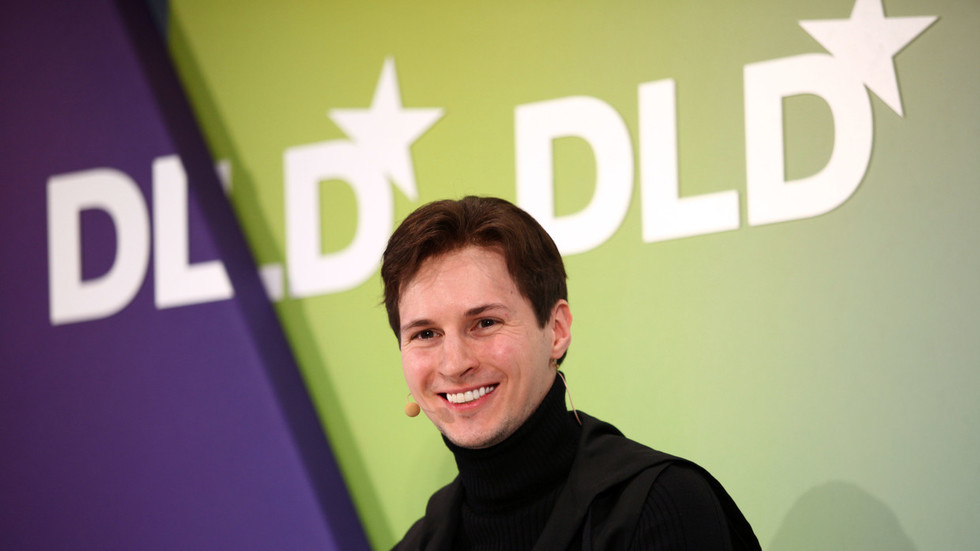
Pavel Durov, the Russian-born founder of Telegram, is back at the center of a global argument over online speech and platform power. Russia’s Federal Security Service has filed terrorism-related charges against the billionaire entrepreneur, putting renewed attention on Telegram’s role in disputes over security, censorship and the limits of government control.
The case has revived a familiar question: is Durov defending open communication, or resisting accountability for what happens on his platform? Supporters often present Telegram as a rare space for freer expression, especially in countries where authorities seek tighter control over digital communication. Critics, however, argue that messaging services cannot avoid responsibility when they are accused of enabling harmful or illegal activity.
Telegram has long occupied a contentious place in that debate because it sits at the intersection of privacy, mass communication and political pressure. Governments tend to frame such conflicts around public safety and national security, while civil-liberties advocates warn that those same arguments can be used to justify broader censorship and surveillance. Durov’s image as an anti-establishment tech figure has only sharpened that divide.
As the Russian case develops, the broader issue extends beyond one businessman or one app. The dispute highlights the unresolved global struggle over how far states should be allowed to regulate digital platforms, and how much responsibility platform owners should bear for the actions of users who rely on their services.