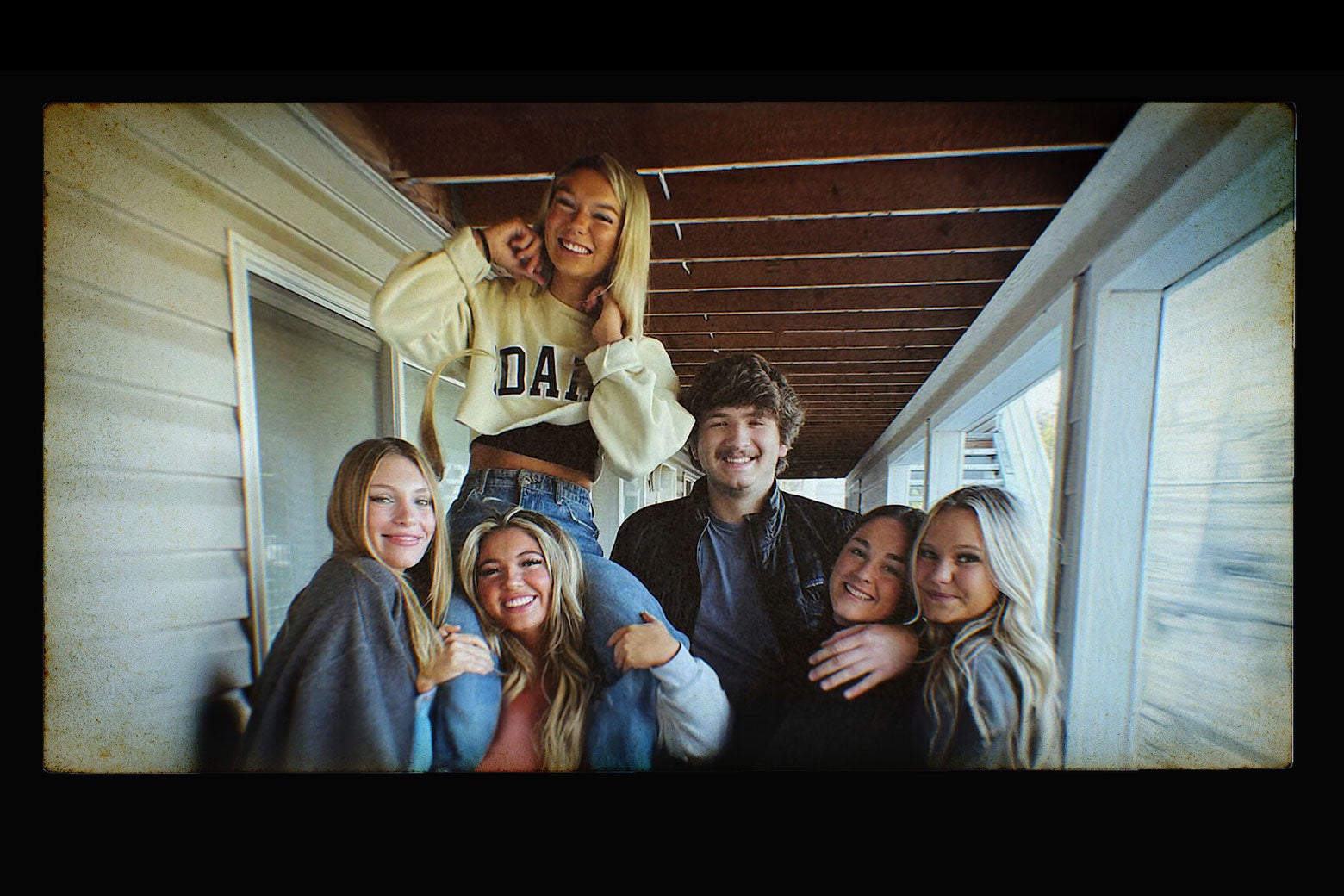
A Slate commentary is casting a skeptical eye on Netflix’s latest No. 1 show, describing the three-episode series as a work of true crime that plays like “pure horror.” The piece suggests the documentary is gripping for a certain kind of viewer, but questions whether that appeal automatically makes it worthwhile viewing.
The article places the release inside Netflix’s larger true-crime machine, noting how the streamer has become a major force in documentaries built to seize attention and keep audiences watching. In that context, the new chart-topping series is presented as another example of how real-life crime stories can be packaged as intense, hard-to-look-away entertainment.
What stands out in the critique is the tension between fascination and discomfort. Slate’s framing implies that the show is effective at producing dread across its short run, yet that very effectiveness raises concerns about how tragedy and horror are being consumed on a mass platform.
Rather than celebrating the series simply because it is popular, the article appears to ask a broader question about Netflix true-crime viewing habits: when a documentary becomes a must-watch because it is shocking and terrifying, what exactly are audiences being encouraged to value? That debate seems to be at the center of the reaction to Netflix’s current No. 1 show.