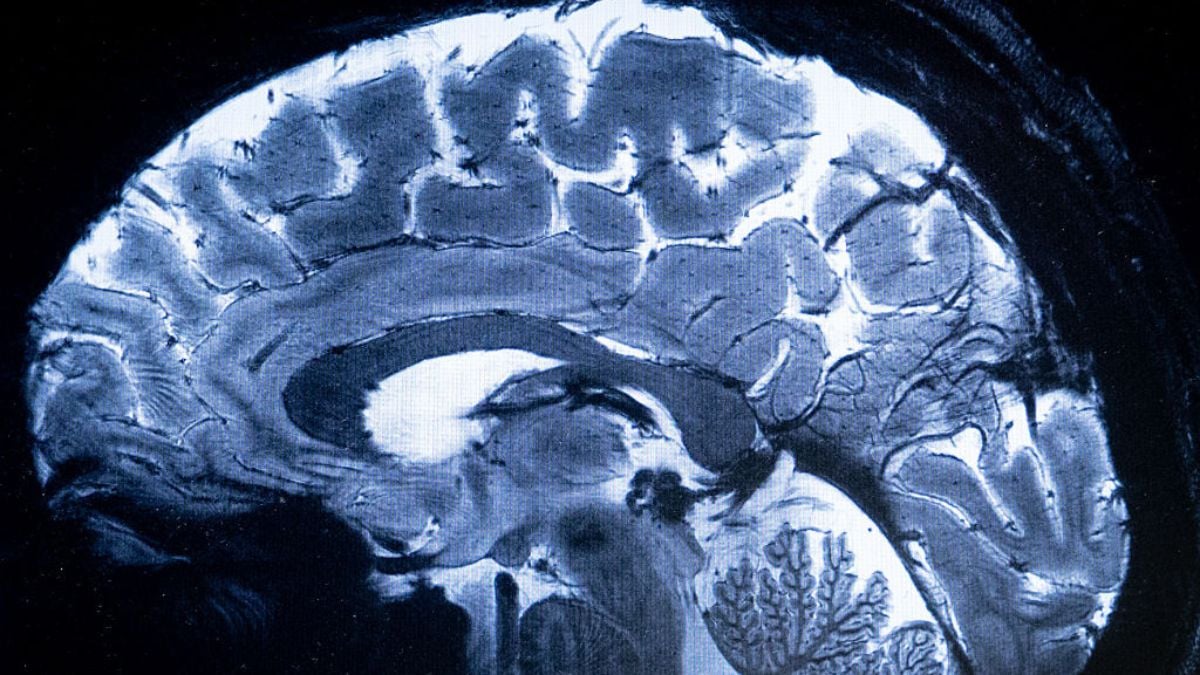
Scientists have reported a striking change in the aging human brain, describing what looks like a brain cell "takeover" during midlife. The finding adds a fresh angle to brain aging research, which is often dominated by stories about memory loss and neurodegenerative disease.
The report highlights an important point: the brain does not only decline with age. While aging is linked to many well-known neurological risks, researchers also continue to find signs that some brain functions and internal processes can adapt, and in some cases improve, over time.
In that context, a midlife shift in which one group of brain cells appears to assume a larger role could help explain why the brain changes in more than one direction as people get older. Rather than presenting aging as a simple downward path, the research suggests there may be periods of rebalancing inside the brain itself.
Although the available details are limited, the broader takeaway is that brain aging is more dynamic than many people assume. Discoveries like this could help scientists better understand how the brain maintains function in midlife and later years, even as it becomes more vulnerable in other ways.





