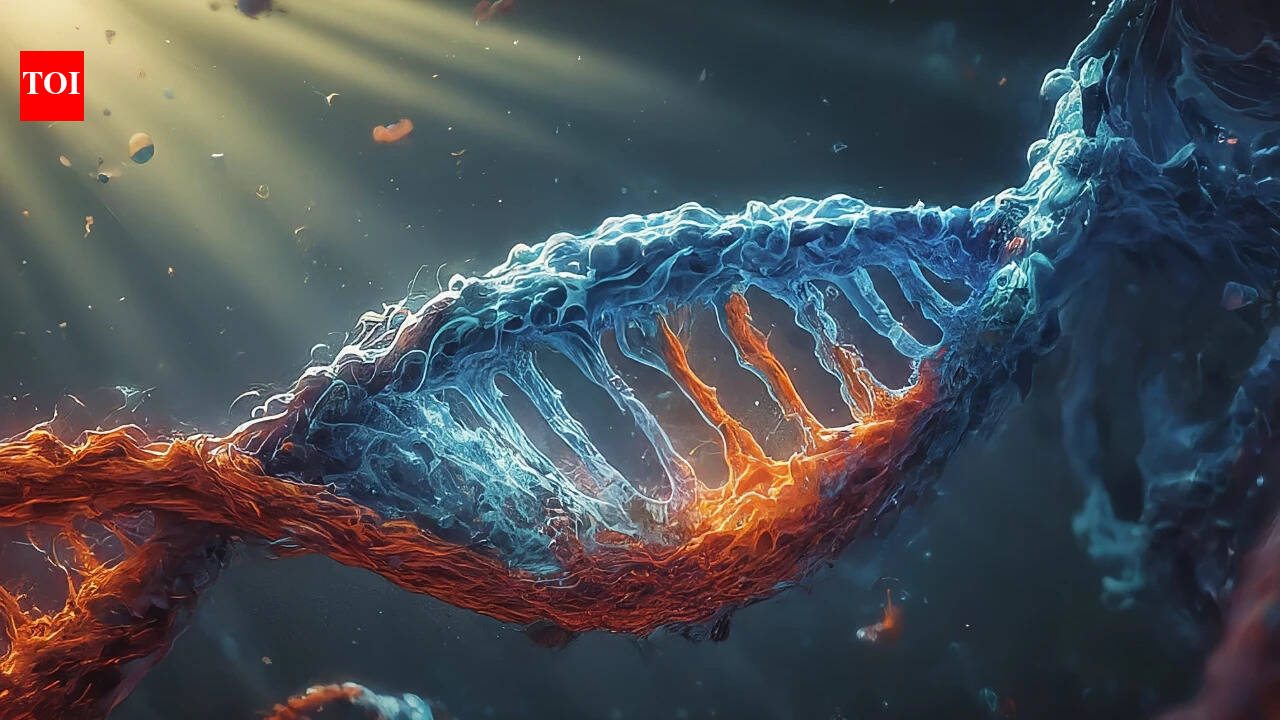
Researchers at UC Berkeley report a new way to pinpoint sections of human DNA that appear to come from previously unknown, or "ghost," ancestors. The work suggests that the human family tree includes genetic contributions from two unidentified groups that mixed with the ancestors of modern people long ago.
According to the study summary, the technique identifies specific regions in the genome that were inherited through ancient interbreeding. The findings add to evidence that modern humans did not evolve in isolation, but instead exchanged DNA with multiple archaic human relatives over time.
The researchers say those inherited stretches of DNA reflect a complicated history involving modern humans and at least four other archaic lineages. By detecting where these older genetic signatures remain in present-day human DNA, the method offers another tool for tracing events that are difficult to see through fossils alone.
The study points to a more tangled picture of human origins than a simple linear ancestry model. It also highlights how new analytical approaches can reveal hidden branches of the human story, even when the ancestors themselves have not yet been directly identified.