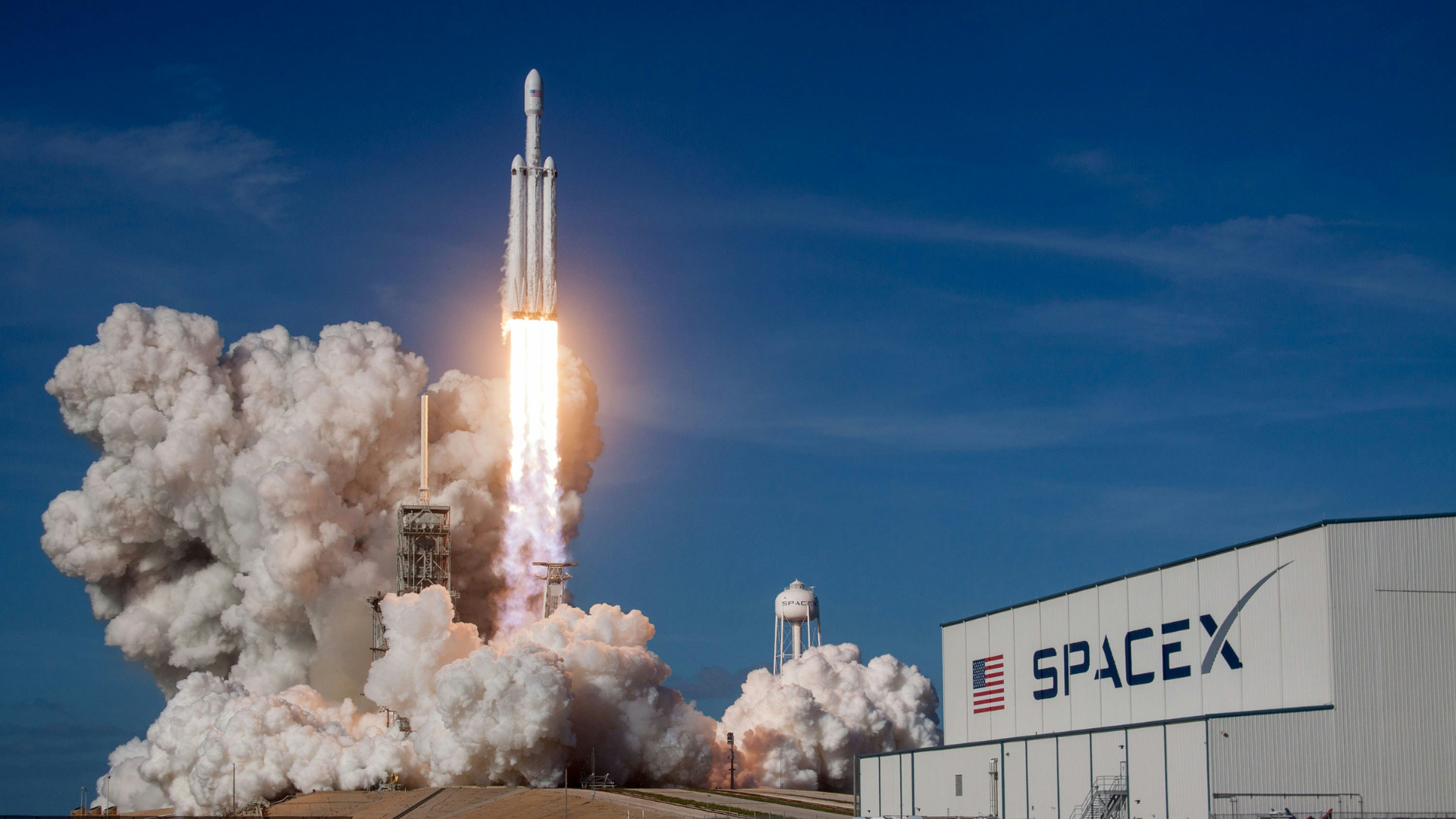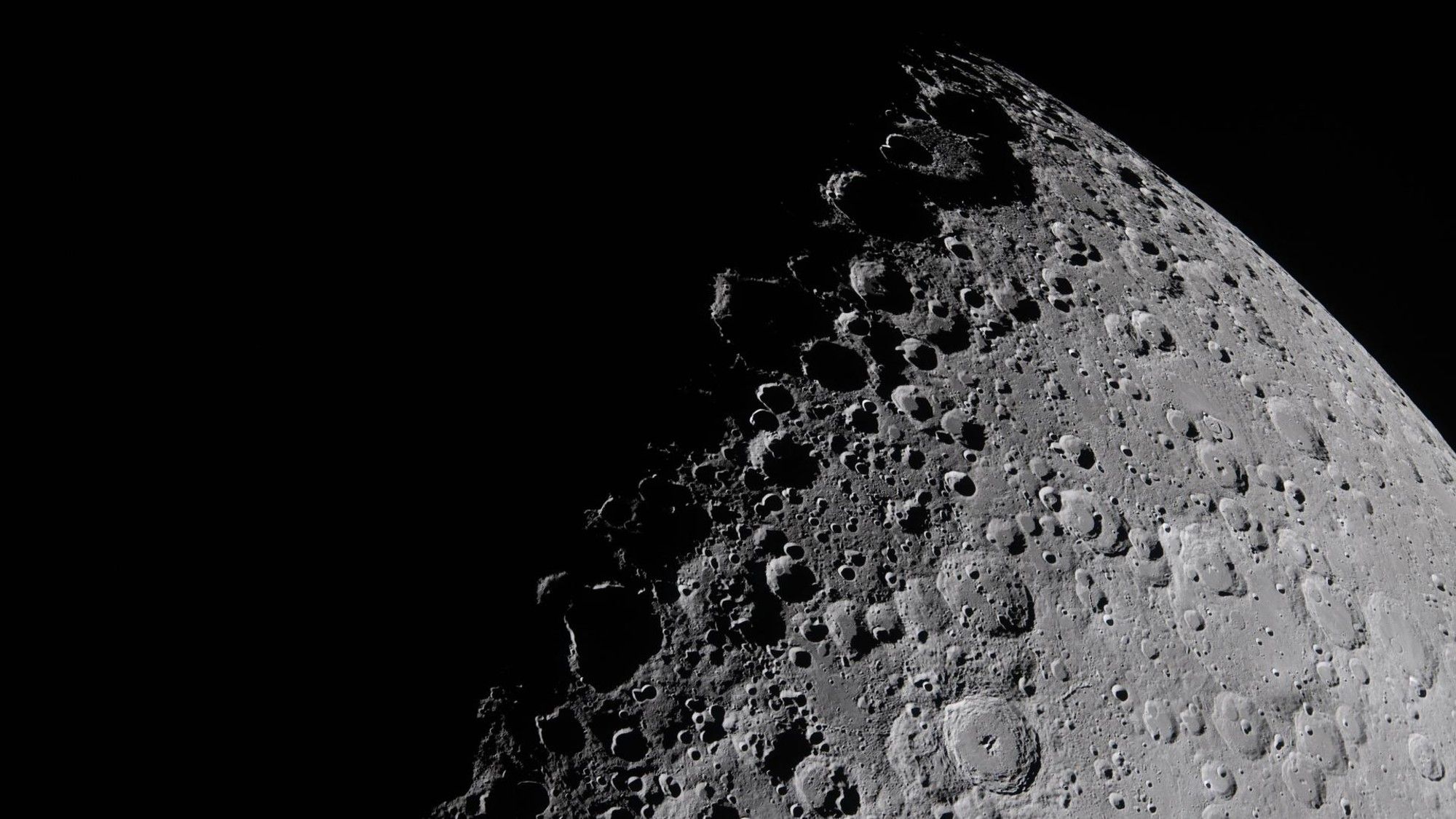
A SpaceX rocket is expected to crash into the moon next week, creating a rare real-world event that researchers can study closely. Scientists say the impact could provide useful data, but they are not fully sure what the collision will produce when it strikes the lunar surface.
One of the main questions is how much material will be thrown up from the impact. That cloud of debris, often called an ejecta plume, is especially important because it can help researchers better understand how the moon reacts when a large object hits it.
According to scientists, this is an unusual opportunity to improve ejecta-plume science and compare computer models with an actual lunar impact. That matters beyond this single event, because those models are important for planning future missions and understanding what happens when hardware or cargo reaches the moon.
The upcoming crash is therefore more than a curiosity. It could become a valuable test case for lunar science, giving experts a better way to predict surface impacts and prepare for future activity on and around the moon.