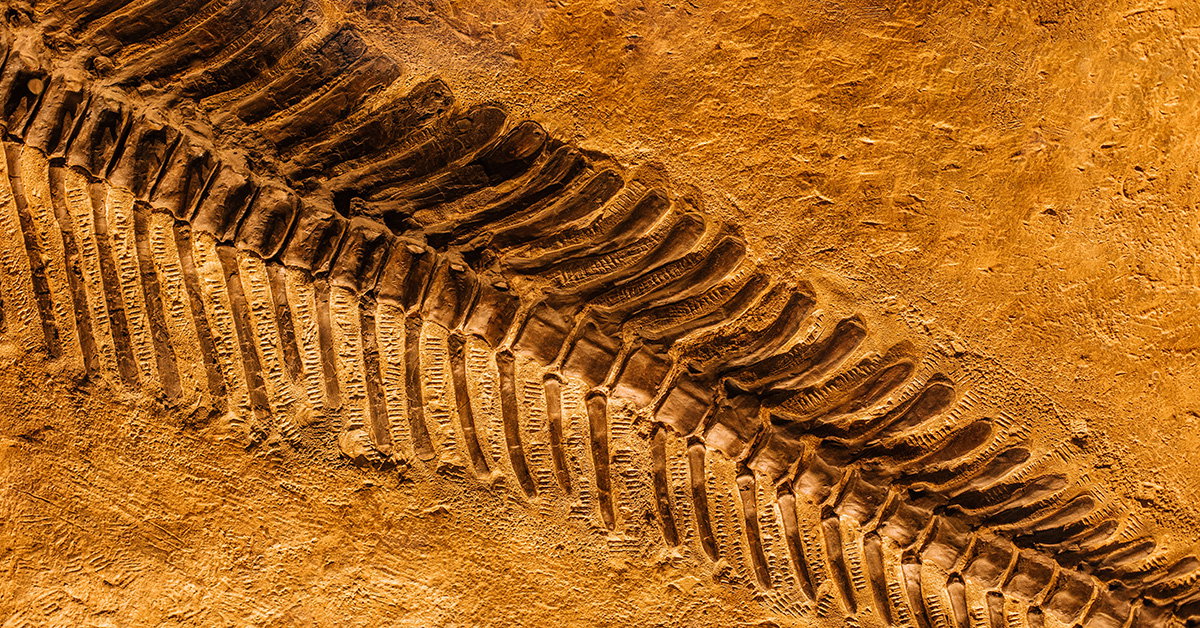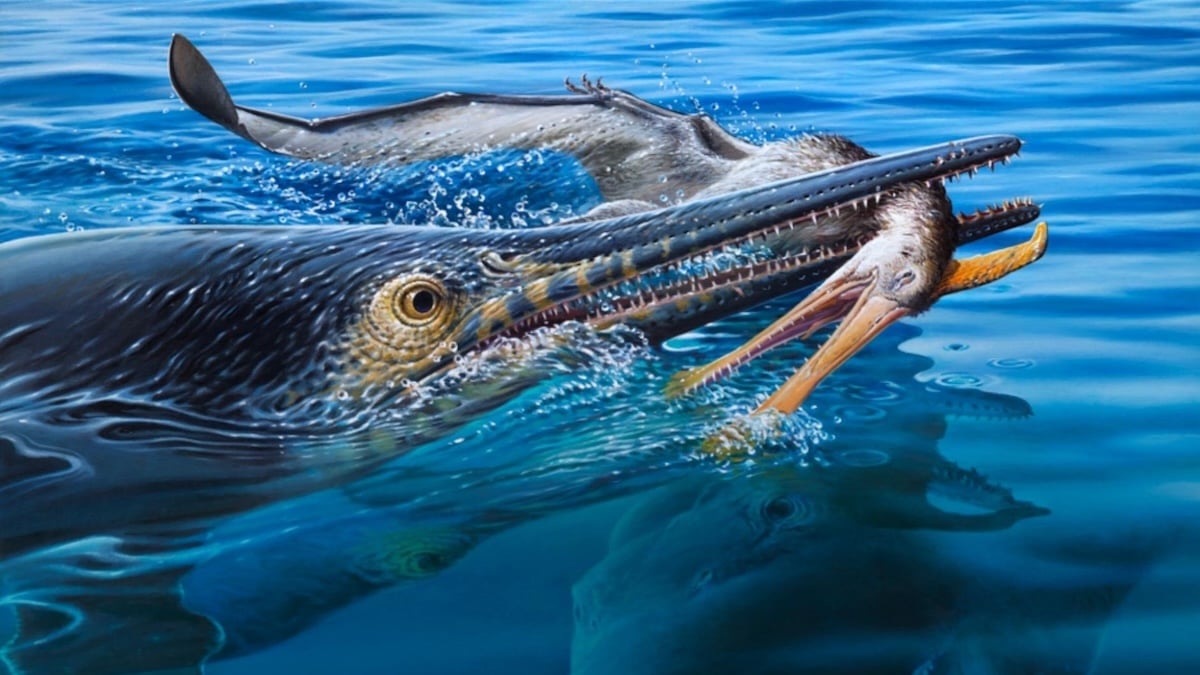
Paleontologists in Australia say they may have found a dinosaur-era fossil with a remarkable twist: it appears to preserve ancient sea monsters in the act of devouring each other. The unusual specimen has been compared to a "turducken," the layered dish made by stuffing one bird inside another, because the fossil seems to capture a similar nested sequence in nature.
The significance of the find is not just the dramatic image it creates, but the possibility that it records a rare chain of predation. If the interpretation holds up, the fossil suggests one marine animal had swallowed another before becoming prey itself, leaving an extraordinary snapshot of prehistoric feeding behavior.
Discoveries like this are especially valuable because fossils often preserve bones and body shapes, but much less often preserve direct evidence of what animals were doing. A specimen that shows predator and prey together can help researchers better understand how ancient marine ecosystems worked during the age of dinosaurs.
The Australian discovery highlights how a single fossil can reveal more than anatomy alone. By preserving what looks like a moment of overlapping hunts, it offers a vivid glimpse into the dangers of prehistoric seas and the complex food chains that existed within them.