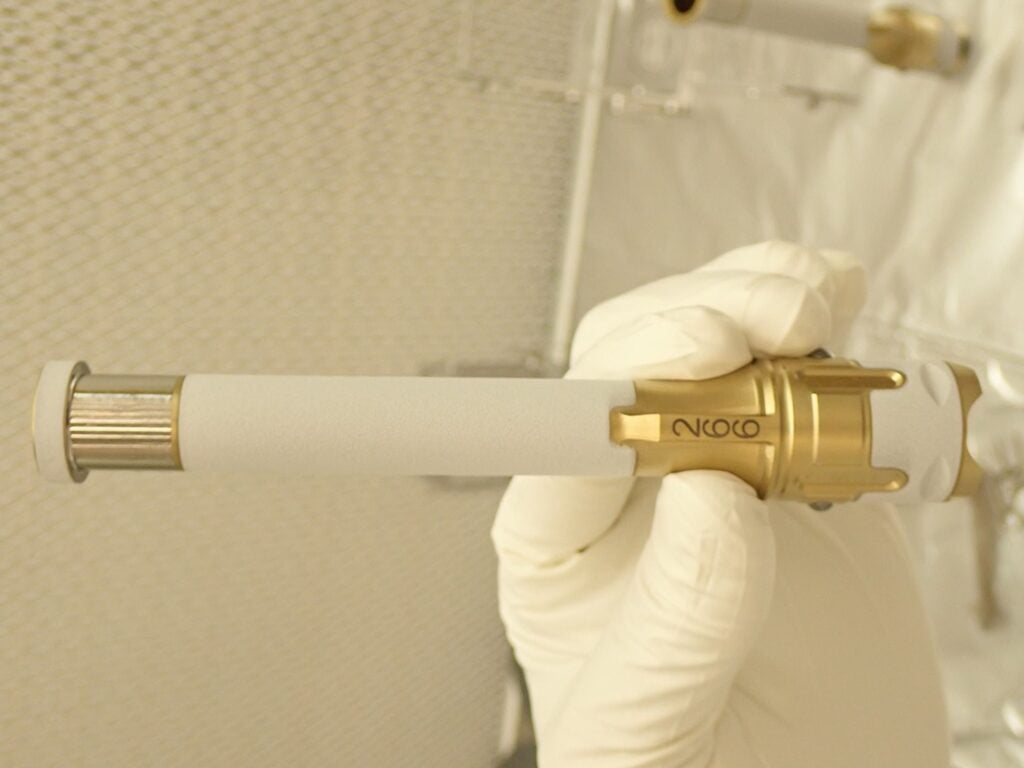
NASA's Perseverance rover is carrying Mars sample tubes that were built to extraordinarily strict cleanliness standards because their purpose is to preserve ancient Martian chemistry. The report highlights just how extreme that standard was: each tube was allowed no more than 150 nanograms of organic contamination.
That limit is so low that a single untreated human fingerprint would have overwhelmed it many times over. The description says one fingerprint contains about 300 times more organic material than the allowance for one tube, showing why NASA engineers had to treat contamination control as a central part of the mission rather than a minor manufacturing detail.
The reason for that effort is scientific reliability. These tubes are meant to hold material from Mars that could later be studied for clues about the planet's past, including chemistry linked to possible ancient microbial life. Any organic residue from Earth could blur that picture and make it harder to tell what truly came from Mars.
As a result, NASA had to develop new ways to keep the tubes exceptionally clean during production and preparation. What looks like a small piece of hardware is actually a carefully controlled container designed to protect the integrity of some of the most valuable samples ever collected on another world.





