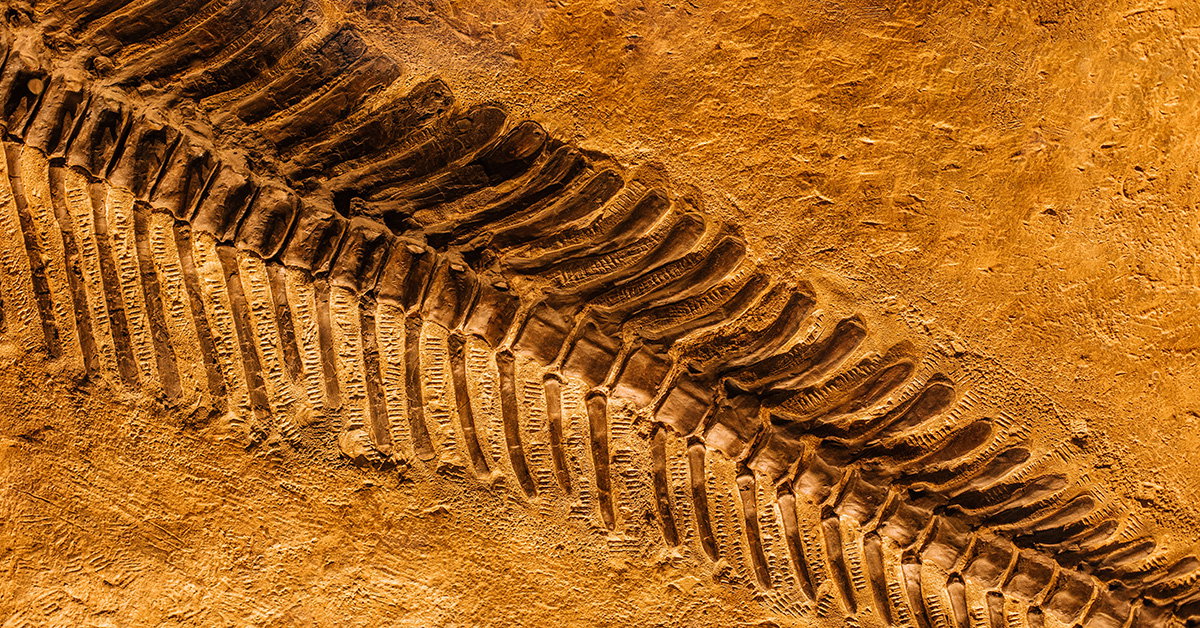
A newly reported fossil from Mongolia's Gobi Desert is changing how researchers view mammal evolution in the Cretaceous period. The specimen, described as a small, rabbit-like animal about 6 inches long, appears to belong to a different branch of the mammal family tree than scientists had assumed.
The find stands out because of its exceptional preservation, giving researchers a clearer look at anatomical details that can help place the animal more accurately in mammal evolution. That evidence suggests the creature was not simply an early version of a more familiar mammal line, but part of a separate branch that lived alongside dinosaurs.
The discovery adds to growing evidence that mammals during the age of dinosaurs were more varied than once believed. Rather than being limited to a few simple forms, early mammals may have occupied a wider range of evolutionary paths, with some groups developing distinctive traits much earlier than expected.
Reported in the journal Nature, the fossil is likely to influence how scientists classify similar prehistoric mammals from Asia and elsewhere. By refining where this Gobi Desert species fits, the study offers a fresh view of how complex mammal history had already become long before the dinosaurs disappeared.