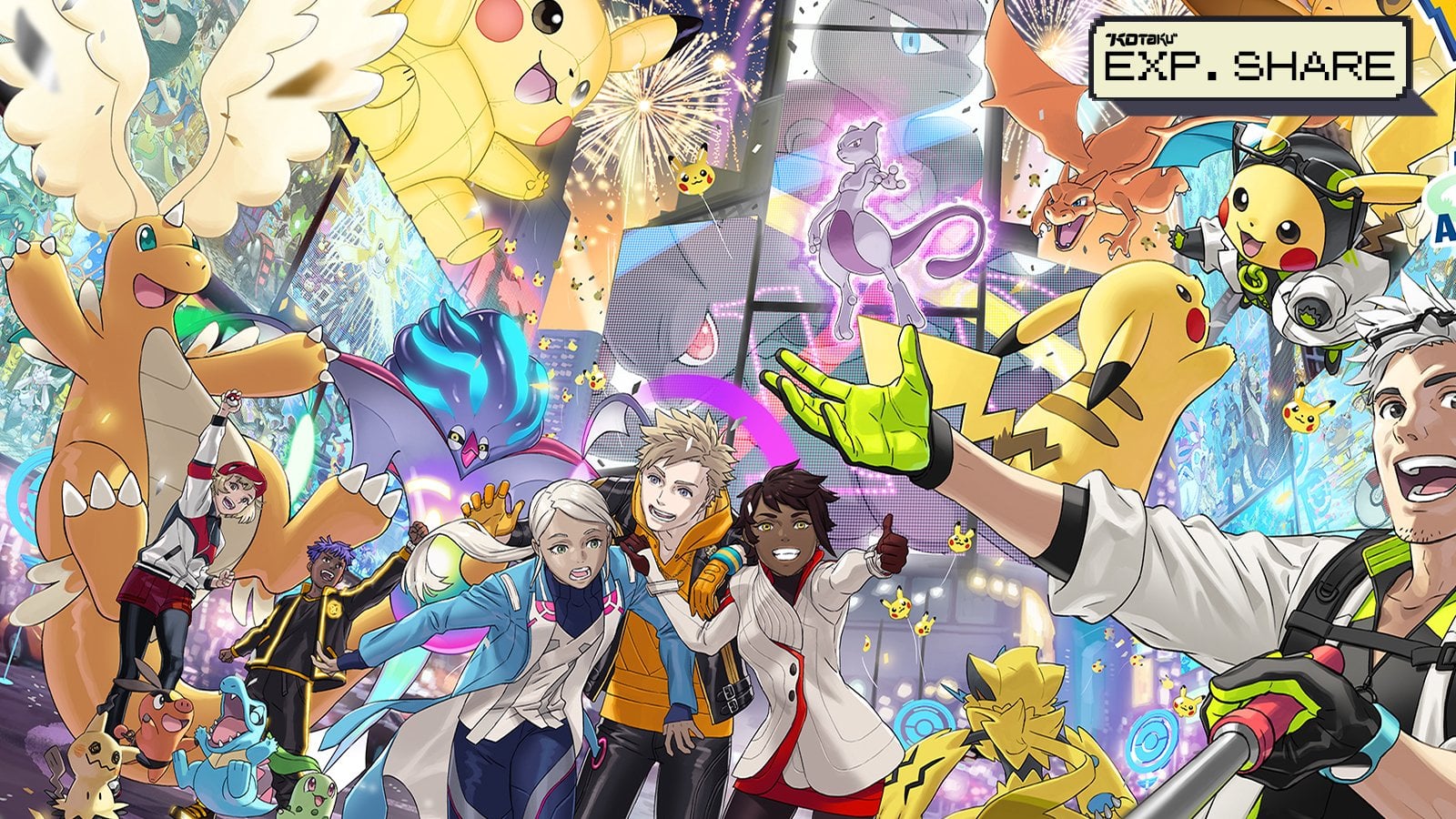
A decade after Pokémon Go became a global phenomenon, the game’s legacy appears more layered than its explosive debut suggested. The mobile AR hit changed how many people thought about gaming in public spaces, turning streets, parks and landmarks into places where players could gather, explore and play together.
That enduring appeal was visible again on July 9, when thousands of players reportedly gathered in New York City’s Times Square for a 10th-anniversary celebration. The event ended with attendees joining forces for a major catch, a reminder that the game can still create the kind of large-scale communal moments that made it famous.
At the same time, the anniversary coverage points to a more uneven story behind Pokémon Go’s success. While the game remains recognizable and capable of drawing crowds, its post-launch years have not been smooth, reflecting the challenges of sustaining a live-service title long after its cultural peak.
The result is a legacy that is both impressive and complicated. Pokémon Go is still powerful enough to bring together massive groups of fans in one of the world’s busiest public spaces, yet its 10-year milestone also highlights how difficult it is for a once-dominant phenomenon to keep evolving while meeting player expectations.