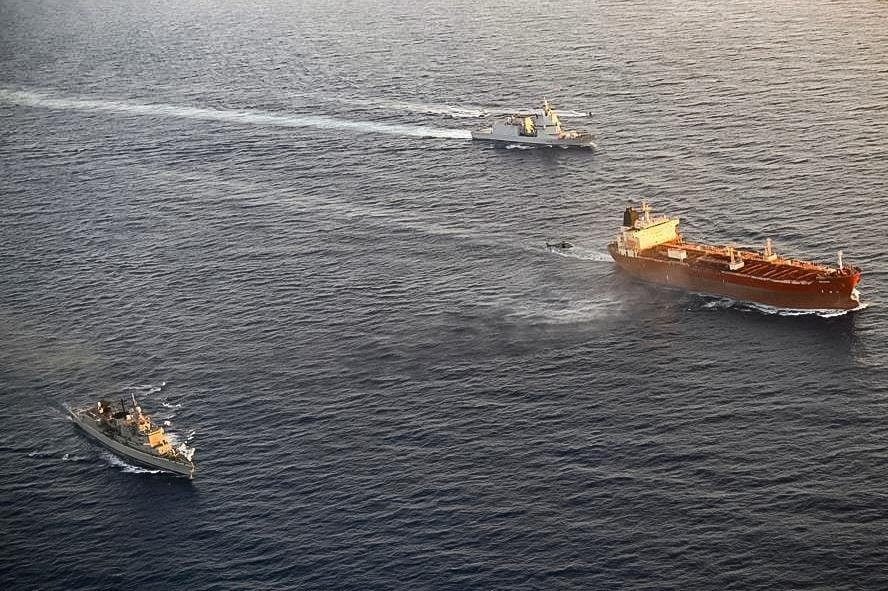
A new analysis raises the question of whether the U.S.-Iran war is expanding beyond a direct confrontation and becoming even more regional. The central argument is that violence is increasing, but the broader shape of the conflict still follows patterns that have appeared before in Middle East crises involving Washington and Tehran.
The latest developments suggest a wider geographic and political spillover, with tensions no longer confined to a narrow track. That does not necessarily mean a completely new phase has begun, but it does point to a familiar cycle in which pressure, retaliation, and regional actors all play a larger role as the confrontation grows.
The emphasis on familiar trends is important. Rather than describing the situation as wholly unprecedented, the analysis suggests that current escalation fits a known model of U.S.-Iran rivalry: rising violence, broader regional involvement, and a steady risk that localized clashes can feed a larger conflict environment.
Taken together, the picture is of a Middle East crisis that is both worsening and recognizable. The immediate concern is the spread of instability, while the longer-term issue is whether this regionalized pattern can be contained before another round of escalation takes hold.