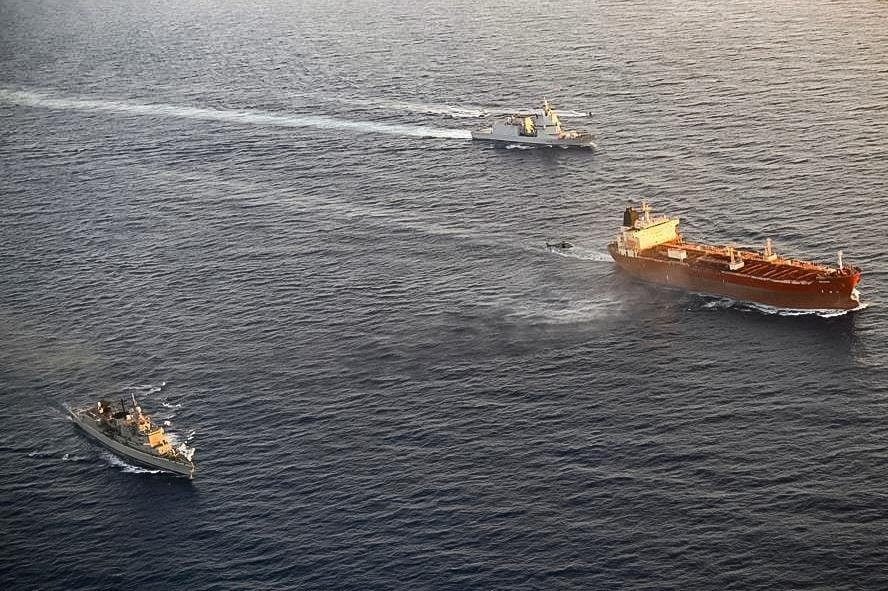
The Houthis declared a naval blockade against Saudi Arabia in the Red Sea on July 20, describing the move as retaliation for what they called a Saudi siege on Yemen. In the account outlined by the article, that announcement marked the group’s formal entry into a broader conflict tied to rising US-Iran tensions.
A central theme is asymmetric warfare. Rather than relying on conventional military strength, the Houthis are portrayed as using tools such as drones and sea mines to challenge stronger opponents and disrupt maritime activity. The snippet also links those methods to the wider playbook associated with Iran’s regional network, including the IRGC.
The Red Sea dimension is especially important because it turns a local Yemeni battlefield issue into a wider regional security problem. Any attempt to pressure Saudi Arabia through shipping lanes raises the stakes beyond Yemen itself and increases concerns about trade routes, naval security, and the risk of escalation across nearby waters.
The article’s broader argument is that groups using decentralized and lower-cost tactics are difficult to force into a clear surrender. In that reading, the Houthis’ strategy is less about winning a conventional war and more about imposing costs, creating uncertainty, and keeping a conflict active even when facing more powerful states.