The dispute described in this analysis centers on a clear shift in focus: what began as a confrontation between the United States and Iran over Tehran’s nuclear programme is now increasingly tied to control of strategic sea lanes. At the heart of that debate is the Strait of Hormuz, a narrow but critical passage linked to the Persian Gulf and wider regional trade routes.
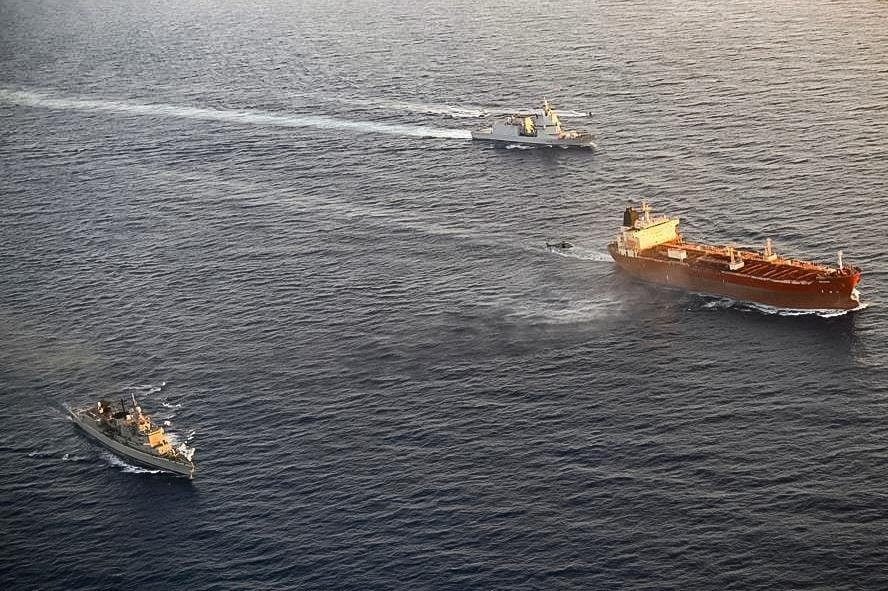
The title also broadens the issue beyond the Gulf by connecting it to the Red Sea, suggesting that maritime pressure points are no longer being viewed in isolation. Instead, the argument points to a larger regional impasse in which security, naval access and commercial shipping are becoming tightly connected. That makes the question of who controls key waterways more urgent than a purely diplomatic dispute over nuclear policy.
By raising the idea of sharing control of the Strait of Hormuz, the piece appears to examine whether any workable balance is possible in a region marked by mistrust and competing power claims. The issue is not presented as a technical matter alone, but as a geopolitical challenge involving sovereignty, deterrence and the risks that come with confrontation in crowded shipping corridors.
The broader takeaway is that the Persian Gulf and Red Sea are being treated as linked strategic spaces in a period of rising instability. As attention shifts from the nuclear file to maritime leverage, the Strait of Hormuz stands out as a central symbol of the wider US-Iran standoff and of the unresolved question of how regional chokepoints can be managed without deepening the crisis.