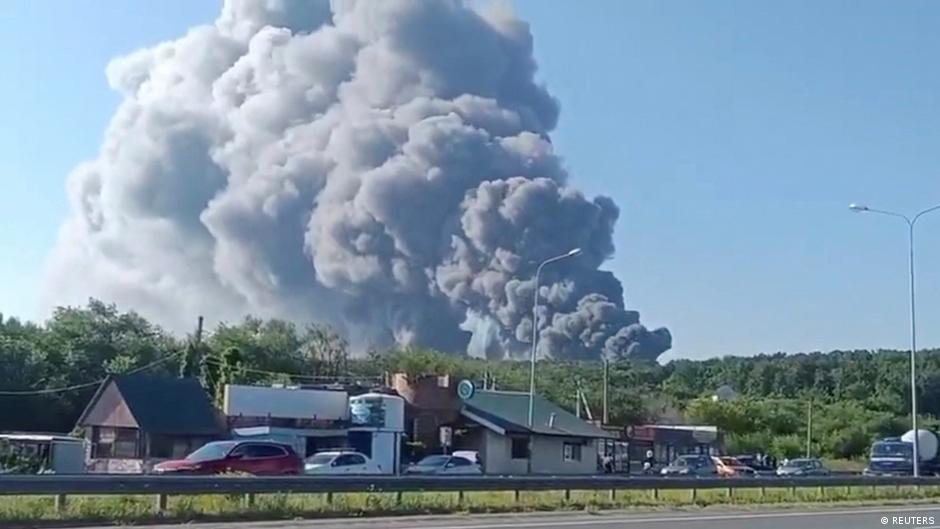
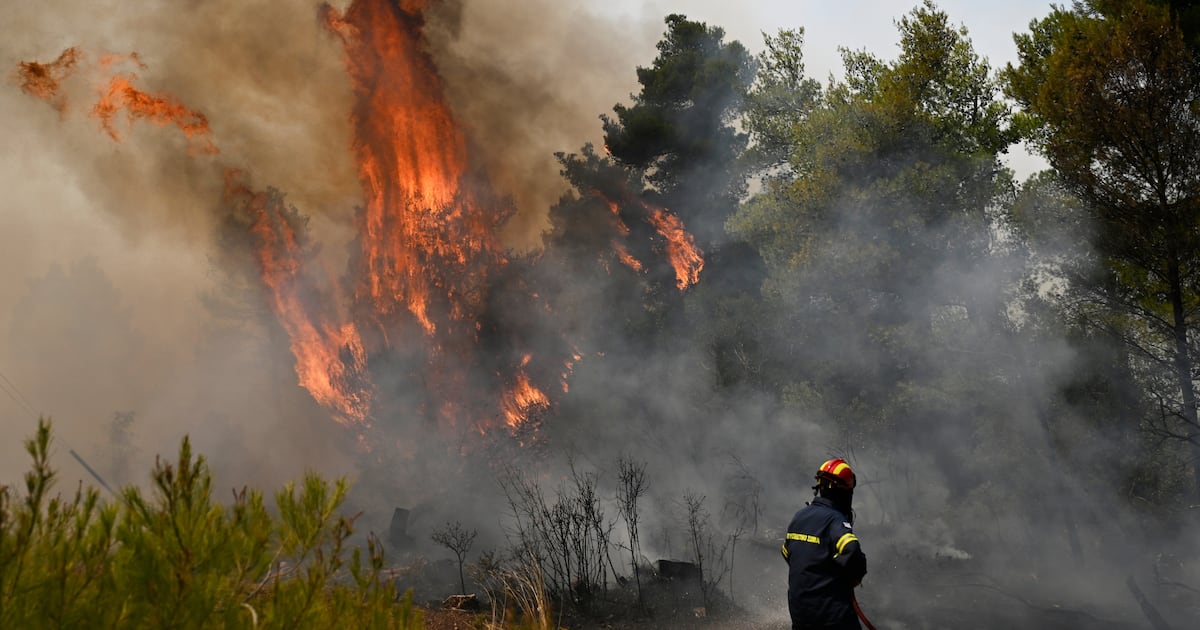
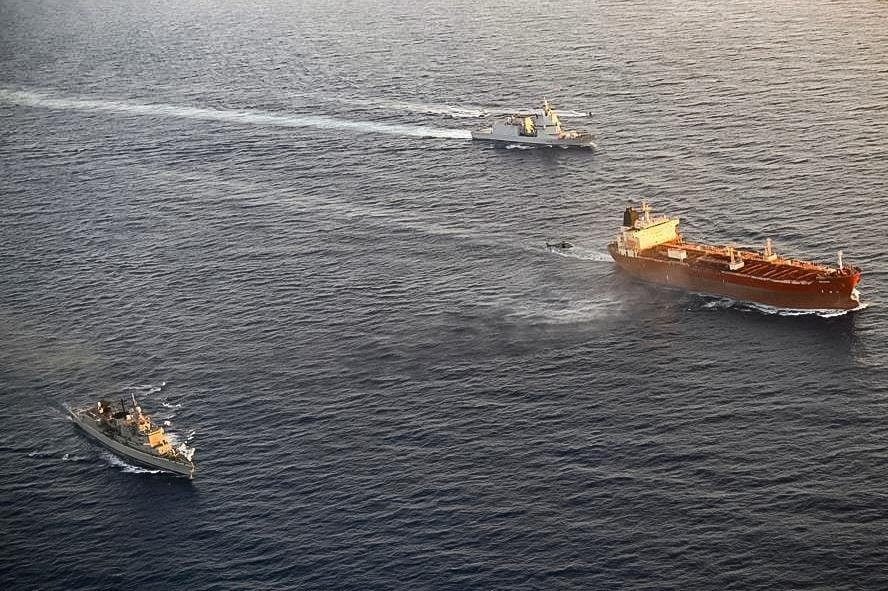
Several flashpoints in the Middle East appear to be intensifying at the same time, creating the sense that new fronts are opening across the region. The latest developments mentioned in the report include Houthi attacks from Yemen, Saudi accusations against militias in Iraq, joint U.S.-Saudi strikes, and Iranian missile fire toward Jordan.
Taken together, those incidents point to a wider regional confrontation rather than a single isolated conflict. Fighting or retaliation in one country can quickly spill into another, especially when state forces, militias and allied armed groups are all involved in overlapping disputes.
The Houthi claim that they struck Saudi oil facilities highlights how energy sites and cross-border targets remain central to the conflict. Saudi Arabia's response, including blaming militias in Iraq and joining U.S. bombing, shows how quickly accountability and military action can expand beyond the original attack site.
Iran's missile fire at Jordan adds another layer to the broader Middle East tensions. With multiple countries and armed groups now drawn into connected incidents, the region looks increasingly volatile, and that helps explain why so many fronts seem to be heating up at once.