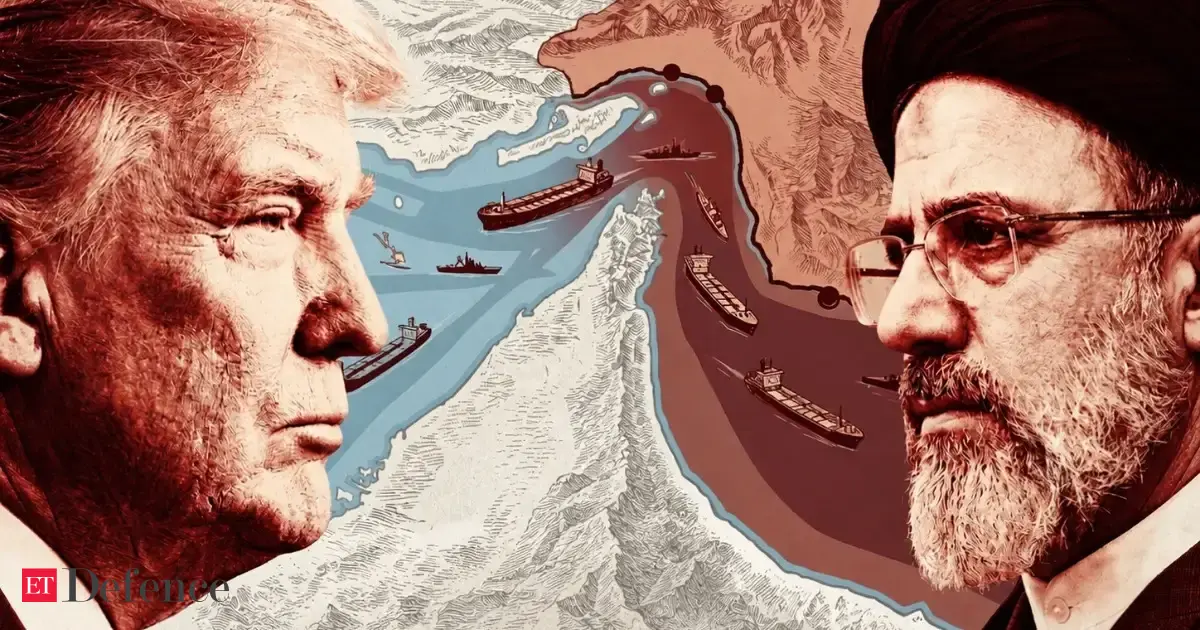
The United States and Iran exchanged new waves of missile strikes on Thursday, signaling that the cycle of retaliation remains firmly in place. The latest attacks added to fears that the five-month conflict is becoming more entrenched, with little sign of a near-term breakthrough.
The renewed military action also underscored how the fighting is affecting countries beyond the two main rivals. Jordan said it intercepted Iranian missiles, while Kuwait reported a deadly strike, highlighting the wider regional risks created by the confrontation.
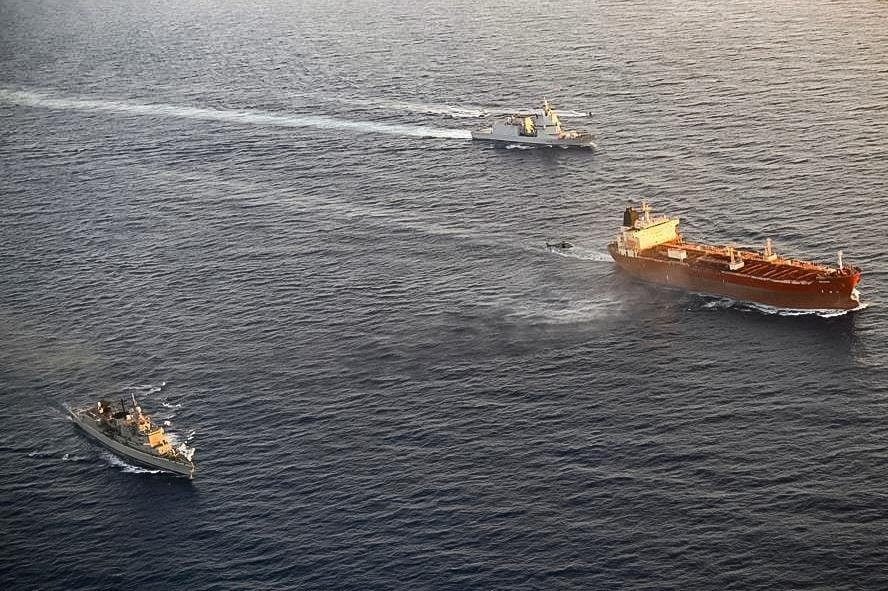
Elsewhere, drone attacks this week caused fires on ships at an Egyptian port, adding another layer of instability around vital transport and trade routes. Taken together, the incidents point to a broader security threat spreading across multiple fronts in the Middle East.
With both Washington and Tehran continuing to answer attacks with fresh barrages, expectations for a quick resolution have faded. The pattern described in the latest developments suggests a conflict that is not only continuing, but drawing in neighboring states and key regional infrastructure.