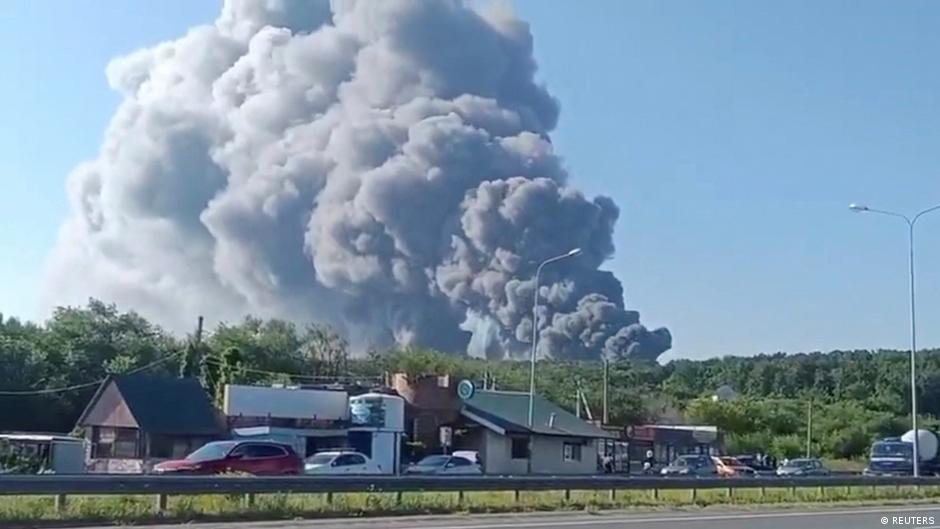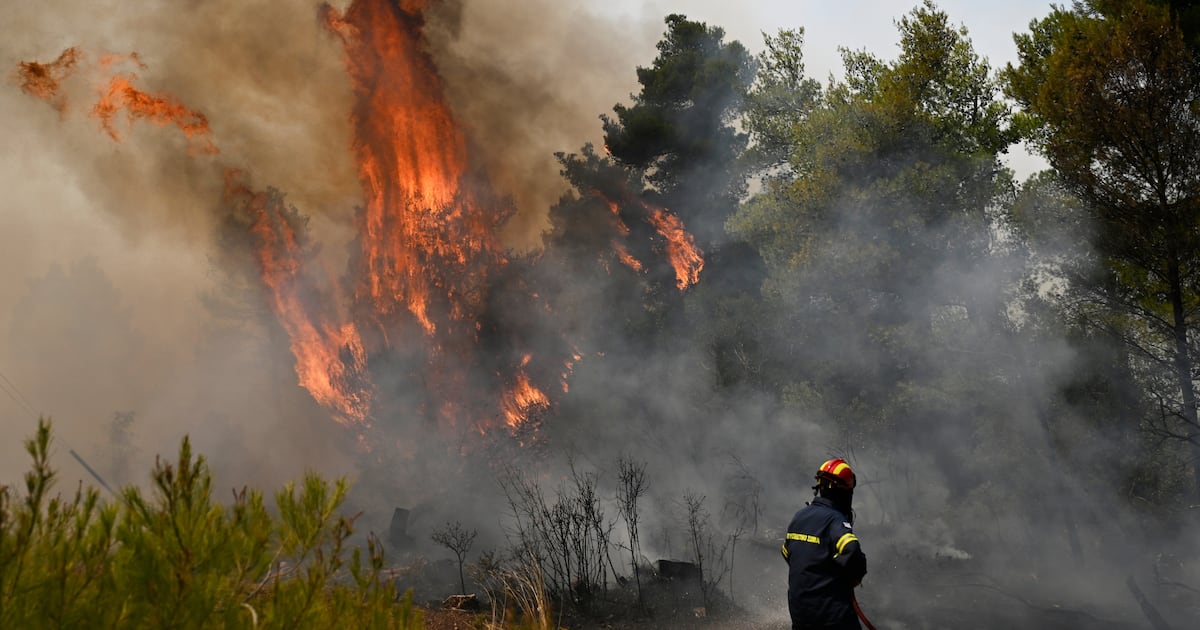
Iran’s ballistic missile strike on American bases in Jordan late on July 28 appears to mark a major turn in the conflict. Based on the available report, it is the first time Tehran has directly launched an attack on U.S. targets since the war began in late February.
The move suggests a more aggressive Iranian military strategy, shifting from indirect pressure to a more open confrontation with the United States. Iran has framed its actions as part of what it calls a war of resistance, but the latest strike raises the stakes by bringing direct state-to-state military action into sharper focus.
The attack also adds pressure on President Donald Trump as Washington weighs its next steps. A direct strike on U.S. positions in Jordan could reshape how the administration approaches deterrence, regional deployments, and the broader security balance involving American forces in neighboring countries.
Beyond the immediate military impact, the strike underscores how quickly the confrontation could widen. With tensions already high, Iran’s decision to target U.S. bases in Jordan signals that the conflict may be entering a more dangerous phase, with broader consequences for regional stability and U.S. strategy in the Middle East.