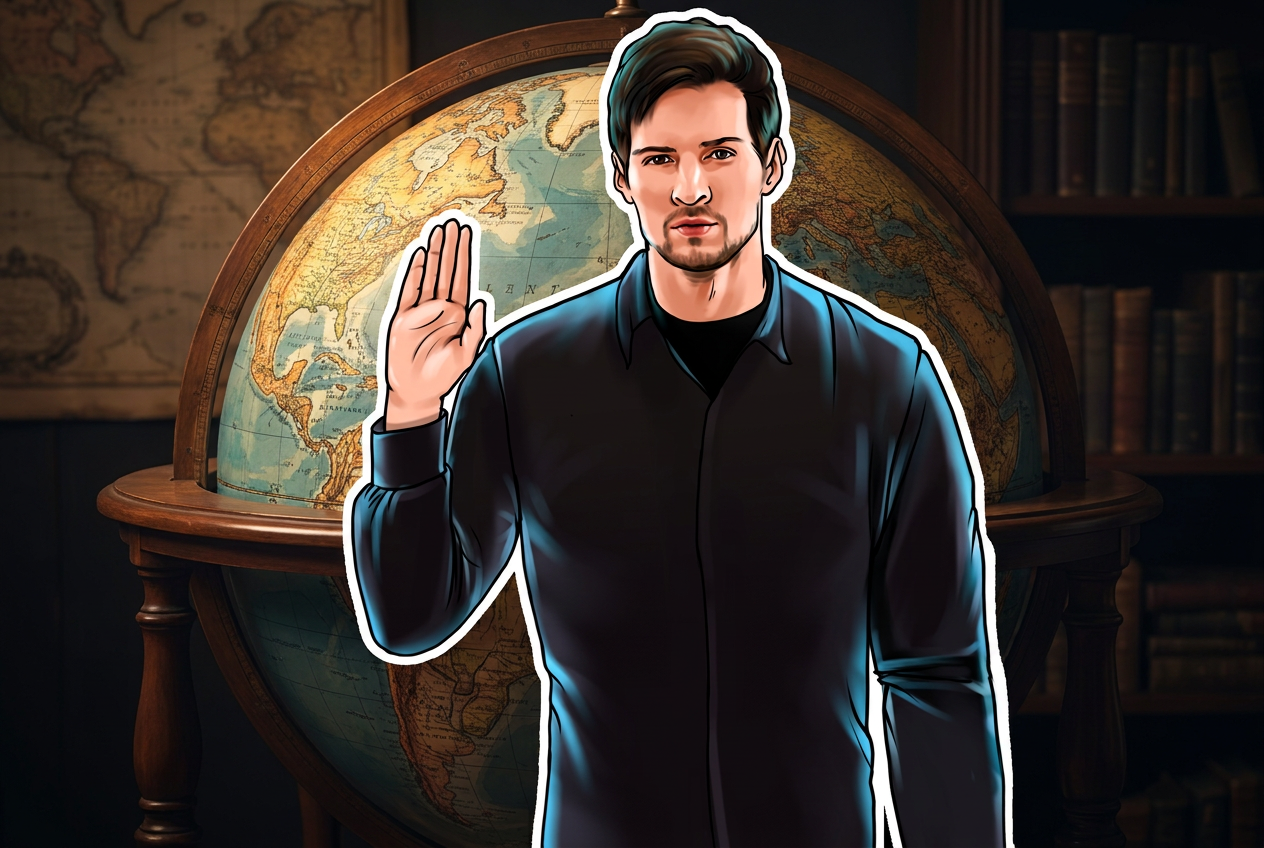
Telegram founder Pavel Durov has publicly addressed Russia’s terrorism designation, saying the move came after he refused state demands for broad surveillance and censorship on the messaging platform. His remarks frame the dispute as part of a longer clash over how much control governments should have over private digital communications.
According to Durov’s account, Russian authorities wanted wider access and tighter restrictions on content and user activity inside Telegram. He said he would not agree to measures that, in his view, would enable mass monitoring or expand censorship across the service.
The response has renewed attention on Telegram’s role in politically sensitive information battles and on the pressure large messaging platforms face from governments. Durov’s comments also place the focus back on Russia’s approach to online oversight, especially when officials seek greater visibility into encrypted or semi-private communications.
While the full legal and political context was not detailed in the available report, Durov’s statement presents the designation as retaliation for resisting state control over the platform. The episode adds to the broader debate over privacy, free expression and government power in the digital sphere.