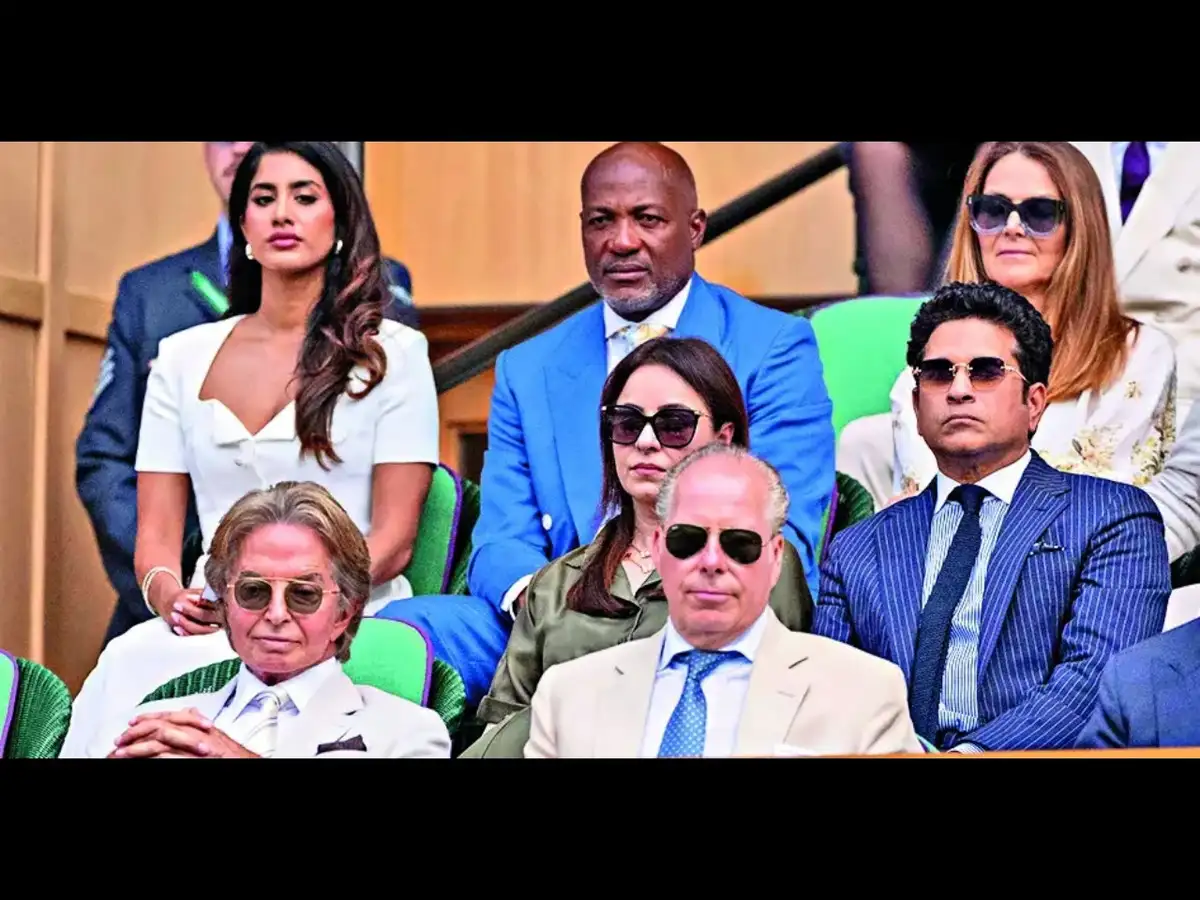
Wimbledon is known for its grass-court tennis, tradition and carefully preserved pageantry. Among its most recognizable symbols is the Royal Box, a seat of prestige that represents status as much as sport. But for some Indians, the idea of accepting that invitation carries a deeper historical weight.
The debate centers on whether attendance should be seen simply as a sporting honor or as participation in a ceremony shaped by Britain’s imperial past. India’s long experience under British rule gives the moment a meaning that goes beyond tennis, prompting questions about memory, dignity and how former colonies engage with elite British institutions today.
Supporters of accepting such an invitation may view it as a sign of global recognition and cultural confidence, arguing that modern Indians can enter these spaces on their own terms. Others believe a respectful refusal would better acknowledge the history behind the symbolism, especially when royal and ceremonial traditions are involved.
The discussion reflects a broader tension familiar in many post-colonial societies: how to enjoy heritage, sport and international prestige without overlooking the past. In that sense, the Wimbledon Royal Box has become more than a place to watch tennis; it is also a stage for an ongoing conversation about history, identity and what public gestures mean.