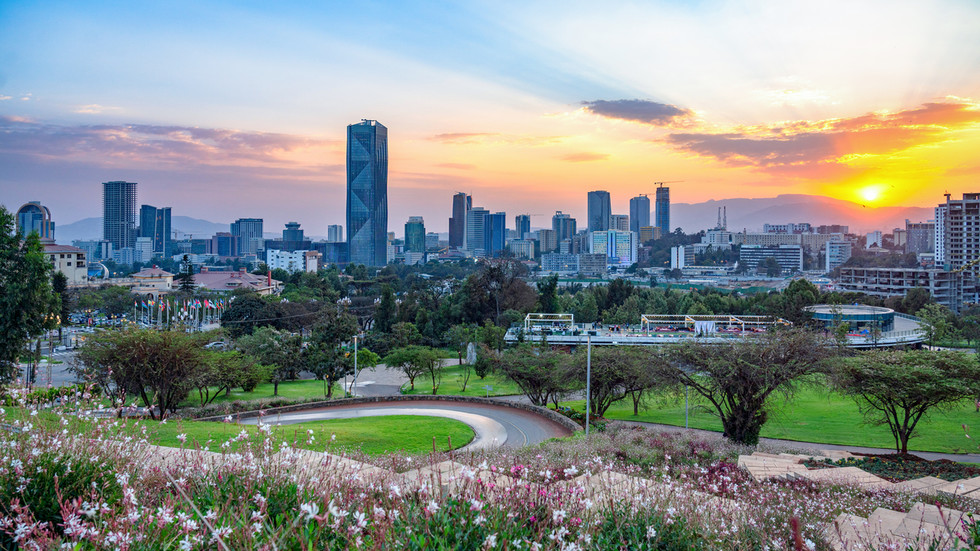
Africa is often pictured from the outside as a mainly rural continent, defined by open landscapes and village life. But the demographic reality is increasingly urban. More than 700 million people in Africa already live in cities, and that figure is expected to rise to about 1.4 billion by 2050.
That shift means the continent’s future will be shaped less by old rural stereotypes and more by what happens in growing urban centers. Cities are becoming the places where population growth, economic activity, infrastructure pressure and political change are most visible.
The trend also highlights a major challenge for governments and planners. As urban populations expand, housing, transport, sanitation, energy and other basic services will face rising demand. The pace of growth will make city planning a central issue for many African countries in the decades ahead.
At the same time, the rise of Africa’s cities points to a broader change in how the continent should be understood. Urban life is no longer a side story in Africa’s development. It is becoming the main story, with cities playing a bigger role in shaping opportunity, inequality and the continent’s overall direction.