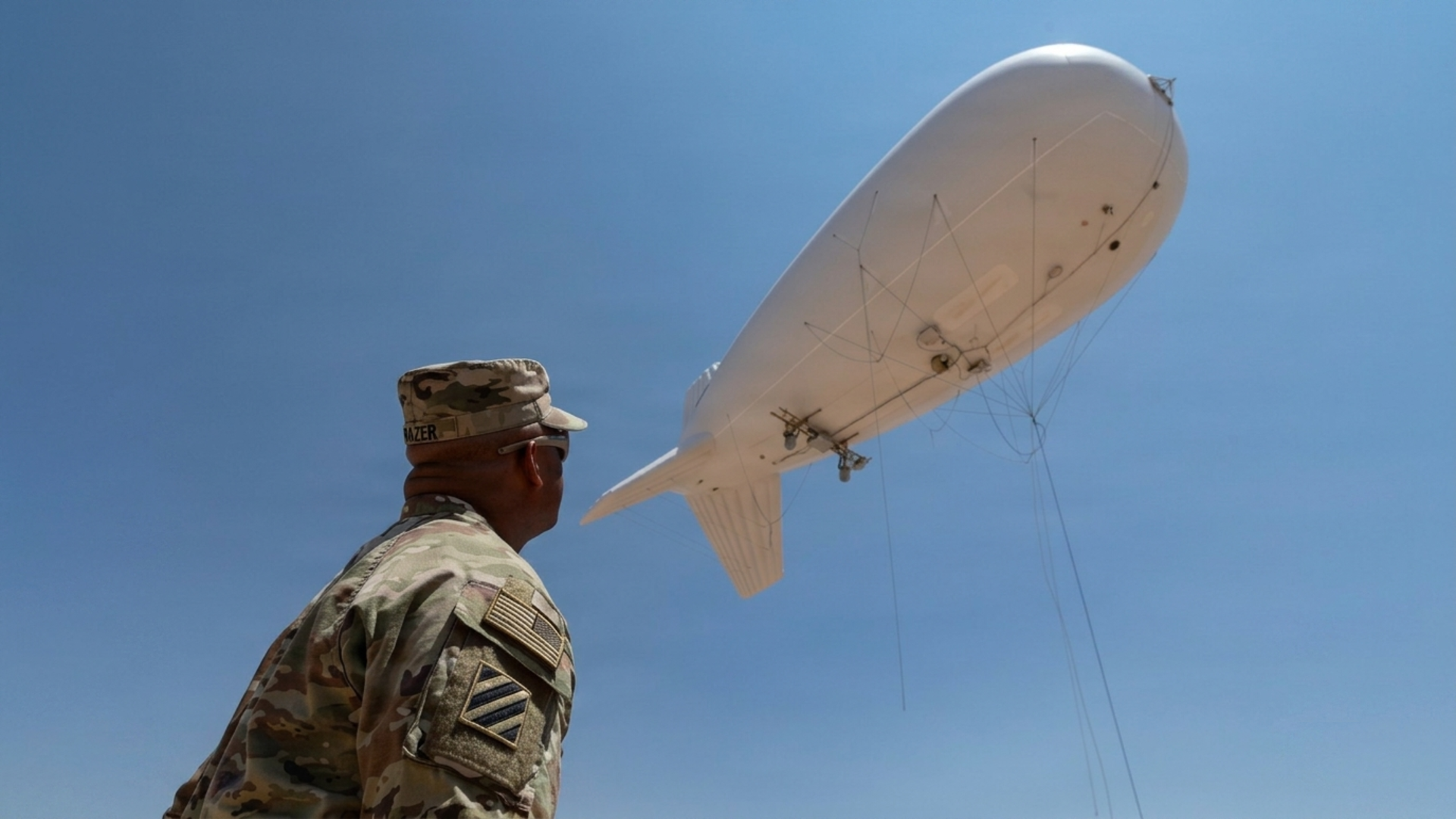
The US Army has awarded TCOM a $447 million contract tied to giant surveillance balloons, reinforcing its commitment to aerostat-based monitoring systems. The move stands out because military planners are also facing growing questions about how well these large, costly platforms can hold up in a battlefield increasingly shaped by inexpensive drones.
Surveillance balloons have long been used to provide persistent visibility over wide areas, making them attractive for military observation and security missions. But the broader debate around the new deal centers on whether those benefits still outweigh the risks as low-cost drone threats become more common and more capable.
Cheap battlefield drones have been challenging expensive surveillance systems across modern conflicts, putting pressure on traditional assumptions about airspace awareness and force protection. In that context, the US Army surveillance balloon contract is likely to draw attention from analysts watching how defense spending is adapting to fast-changing threats.
The agreement suggests the Army still sees value in balloon-based surveillance despite those vulnerabilities. At the same time, the contract underscores a wider military technology question: how to balance proven long-endurance systems with the growing reality that small, affordable drones can threaten far more expensive equipment.