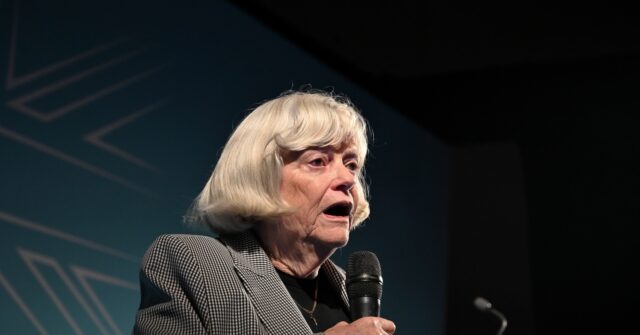
HOPE Not Hate has reportedly taken down a webpage that had listed Anne Widdecombe's views as "dangerous," according to coverage centered on the anti-extremism group's treatment of the former Brexit Party politician. The removal drew attention because the page had previously highlighted opinions the organization said were harmful or objectionable.
The report links the deletion to claims surrounding Widdecombe's reported death at her country home earlier this month. While the circumstances described in the article remain central to the story, the main focus is on the group's decision to remove material that had publicly catalogued her political positions.
The episode has added to debate over how activist and monitoring organizations portray political opponents online. Critics argue that compiling pages on controversial figures can blur the line between documenting public views and targeting individuals for their beliefs, especially in highly polarized debates around Brexit and British politics.
More broadly, the story underscores the sensitivity around online political profiling and the speed with which organizations can revise or delete content when a wider controversy emerges. In this case, attention has turned not only to Widdecombe's past positions, but also to why the page disappeared and what that says about the handling of contentious political speech.