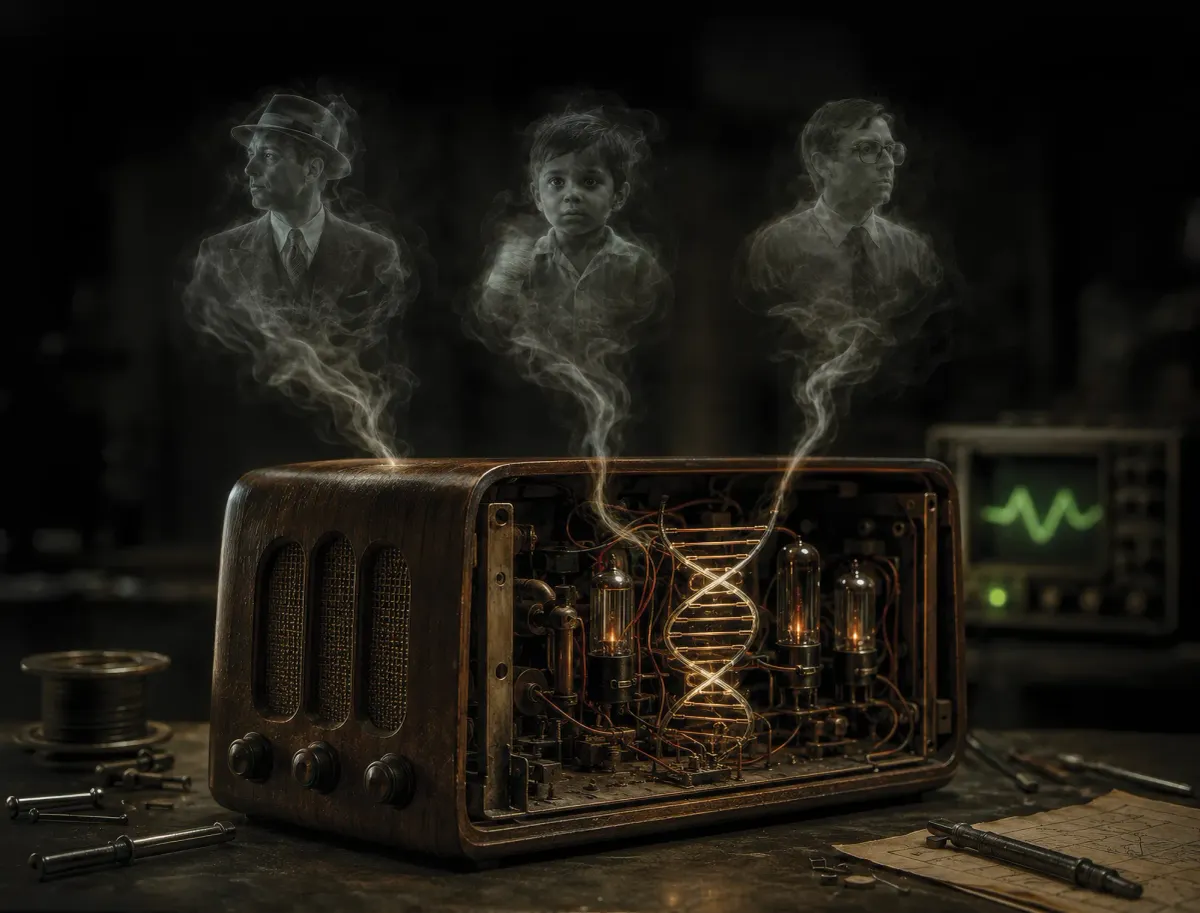
A long-running line of research at the University of Virginia has kept the debate over reincarnation alive by focusing on children who report detailed memories of another life. According to the account, investigators have spent decades collecting cases in which young children describe deaths, families or places they seemingly should not know, sometimes alongside unusual fears or behaviors.
The story also highlights a recurring claim in this research: that some children have birthmarks or birth defects that appear to match injuries described in the life they say they remember. Supporters argue that these patterns deserve careful documentation rather than instant dismissal, especially when multiple details appear to line up. Critics, however, note that striking anecdotes do not automatically amount to proof of a supernatural explanation.
One example involves a three-year-old boy in Kyushu, Japan, identified as Yu, whose nightmares and intense concern about fire safety alarmed his mother. Cases like this are often presented as possible clues to a traumatic death in a previous life, but they also raise difficult questions about memory, suggestion, coincidence and how much adults may influence a child’s story.
The larger question posed by the article is not simply whether reincarnation is real, but what science can realistically test. Researchers can compare statements with records, look for patterns across cases and rule out ordinary sources of information. What science cannot easily settle is the deeper metaphysical claim behind those reports, leaving the topic suspended between intriguing evidence, skepticism and the limits of current explanation.