A new analysis examines why Iran's leadership may have favored confrontation over a peace initiative linked to Donald Trump. The central argument is that Tehran's biggest concern is not simply another round of foreign military pressure, but the risk that internal dissatisfaction could merge with organized resistance inside the country.
According to the piece, external conflict can serve a political purpose for the Iranian leadership. A period of war or heightened regional tension may help shift public attention, tighten state control and make it harder for domestic opponents to build momentum at a time of growing frustration among ordinary Iranians.
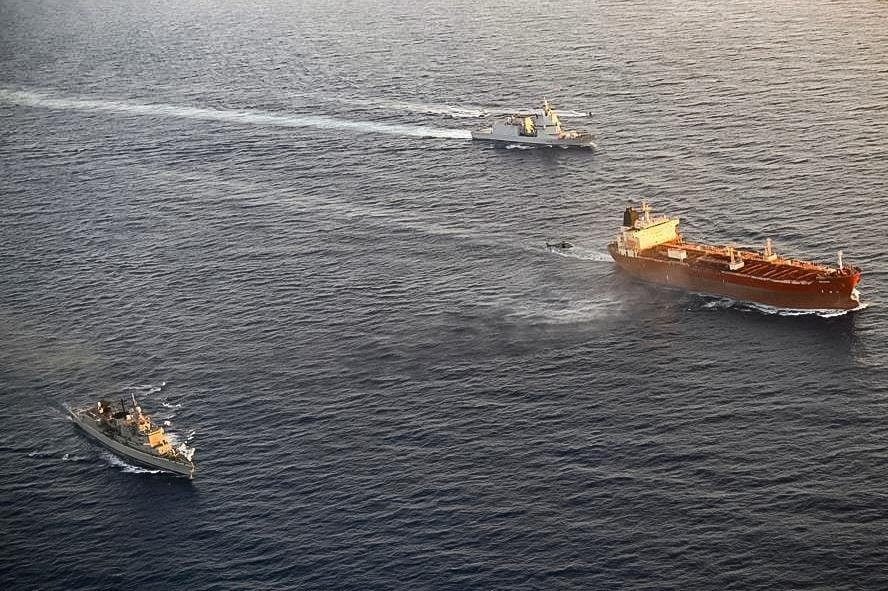
The trimmed report also points to developments after a ceasefire agreement and references U.S. military activity in the Central Command area, including Navy flight operations. That context suggests the article is framing Iran's decisions within a broader regional standoff where diplomacy and military readiness existed side by side.
Overall, the article presents the issue less as a straightforward reaction to U.S. pressure and more as a question of regime security inside Iran. In that reading, the leadership's strategic choices are tied closely to fears that public discontent at home could become a more serious threat than outside bombing campaigns.