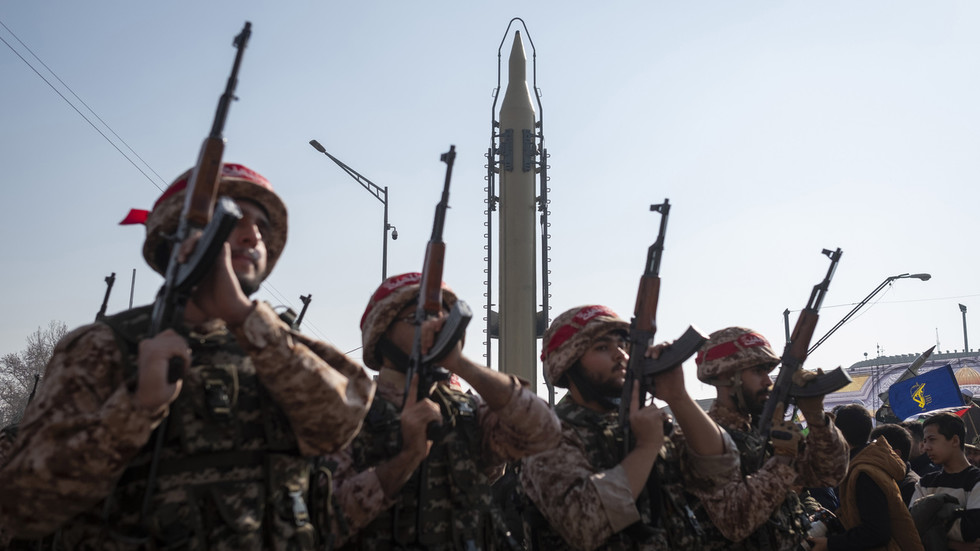
The growing confrontation between the United States and Iran is being framed as more than a short-term crisis. Instead, it appears to be settling into a durable source of instability, one that is forcing major non-Western blocs such as BRICS and the Shanghai Cooperation Organization to show how united they really are.
At the center of the debate is whether BRICS can act as a coherent political force when one of its key diplomatic tests involves Iran. The pressure comes from differing national interests inside the group, with members not always aligned on security risks, regional strategy, or how directly to challenge Washington’s position.
The same strain is also exposing limits inside the SCO. While both groupings are often discussed as pillars of a more multipolar world, the Iran-US conflict underlines how difficult it can be to turn shared rhetoric into a common response when a major geopolitical dispute touches energy, trade, and regional security at the same time.
Even with those internal divisions, the broader effect may still be a faster erosion of the Western-led global order. As repeated tensions around Iran continue to reshape diplomacy, BRICS and the SCO are being tested not only on solidarity, but on whether they can help define the next phase of international politics.