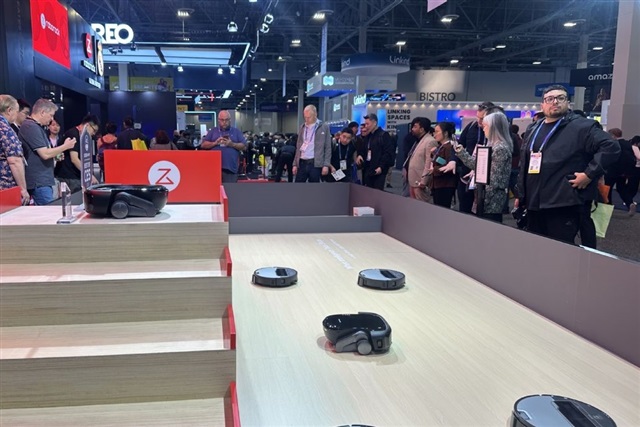
Roborock says the robot vacuum market still has significant room to grow, even as competition becomes more intense in China, Europe, the United States and Southeast Asia. The company’s view is that rising adoption has not yet translated into full market maturity, leaving space for more households to enter the category.
According to Roborock, two major forces are likely to support the next phase of growth: stronger AI capabilities and more niche product features. In practical terms, that means robot vacuums are no longer competing only on basic floor cleaning, but increasingly on smarter automation and functions tailored to specific user needs.
That positioning matters as more brands push into the same markets. With rivals competing across multiple regions, companies need clearer ways to stand out. Roborock appears to be betting that better intelligence and specialized features can help broaden the appeal of robot vacuums beyond early adopters.
The broader message is that market penetration remains relatively low compared with the potential customer base. If that trend holds, robot vacuum makers may still have a meaningful runway for expansion, especially as AI-driven performance and differentiated features make the devices more useful to a wider range of consumers.