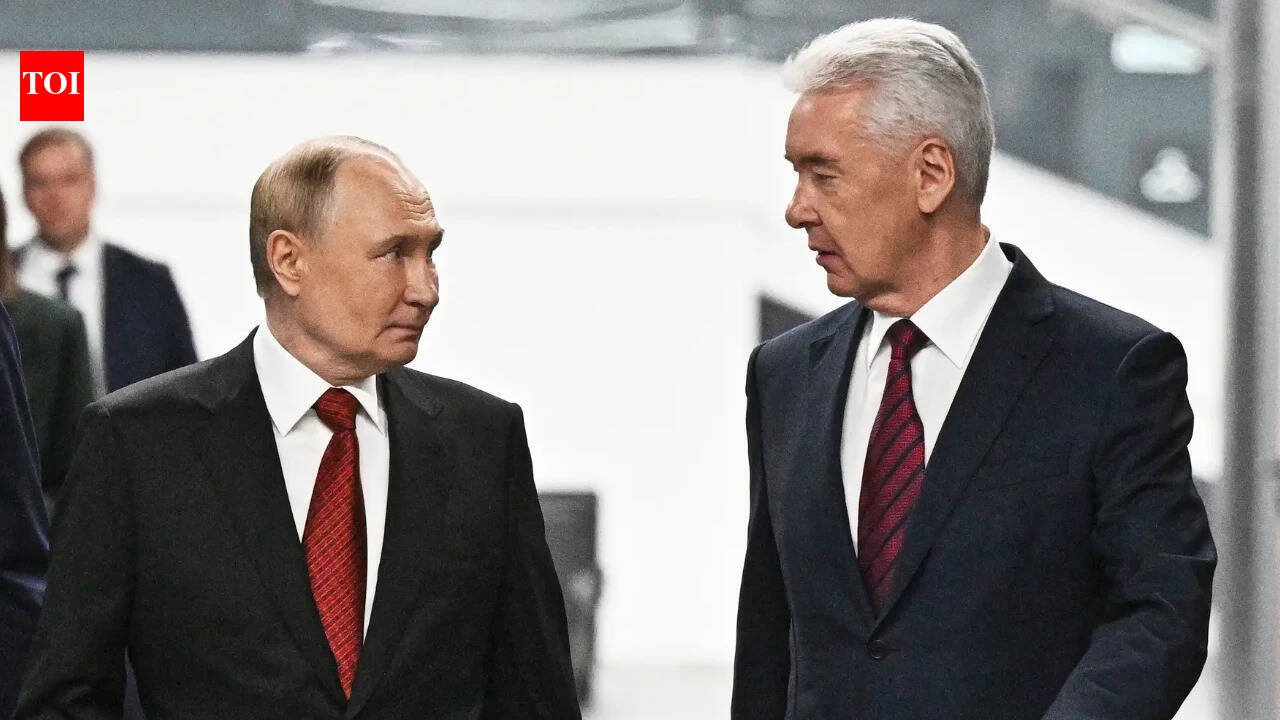
Russia’s Olympic return is being presented in Moscow as a diplomatic success, but the development is also creating political risks for President Vladimir Putin. While officials and state-backed voices have treated the Russian Olympic Committee’s restoration as a sign that the country is re-entering major international arenas, some pro-war commentators have reacted angrily.
Their criticism centers on the idea that any move helping Russia regain full access to global sport can also be seen as a compromise on broader territorial claims. That has turned what might have been a straightforward symbolic victory into a more complicated domestic issue, especially among hardline supporters of the war.
The dispute reflects how important sport has been to the Kremlin for years. Moscow has long viewed international competition as a tool of national prestige and soft power, making a full return to elite events a major political objective as well as a sporting one.
That strategy, however, comes with a price. The same Olympic comeback that helps Russia project normality and influence abroad may also expose tensions at home, where nationalist voices want the state to hold a harder line. For Putin, the gain in international standing is being matched by fresh pressure from his own pro-war camp.