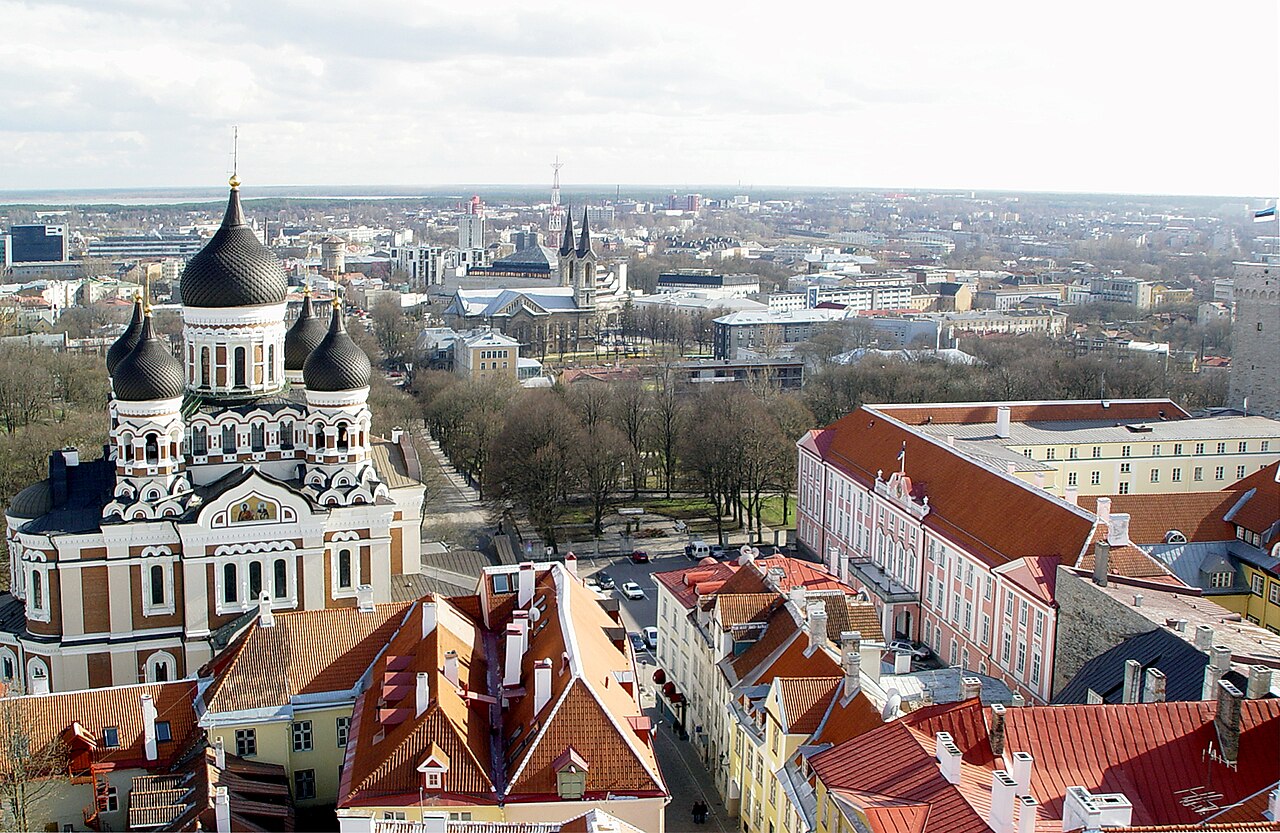
A debate is unfolding in Estonia over the future of Tallinn’s Alexander Nevsky Cathedral as a government lease involving the Estonian Christian Orthodox Church comes up for review. The church was formerly known as the Russian Orthodox Church in Estonia, adding a political and historical dimension to what might otherwise be a property question.
At the center of the discussion is whether Estonia should go as far as demolishing the cathedral, a proposal that has drawn attention because of the building’s symbolism as well as its religious role. The issue appears to be tied not only to the lease itself, but also to the Estonian government’s demand that the church sever connections with Russian-linked religious authority.
That combination of church governance, state oversight and national identity has made the matter especially sensitive. In Estonia, where relations with Russia carry broader political meaning, decisions about prominent institutions can quickly become part of a larger debate about history, influence and sovereignty.
For now, the argument over Tallinn’s Alexander Nevsky Cathedral reflects more than a dispute over one building. It shows how questions about religion, public property and Russian ties continue to shape public debate in Estonia.