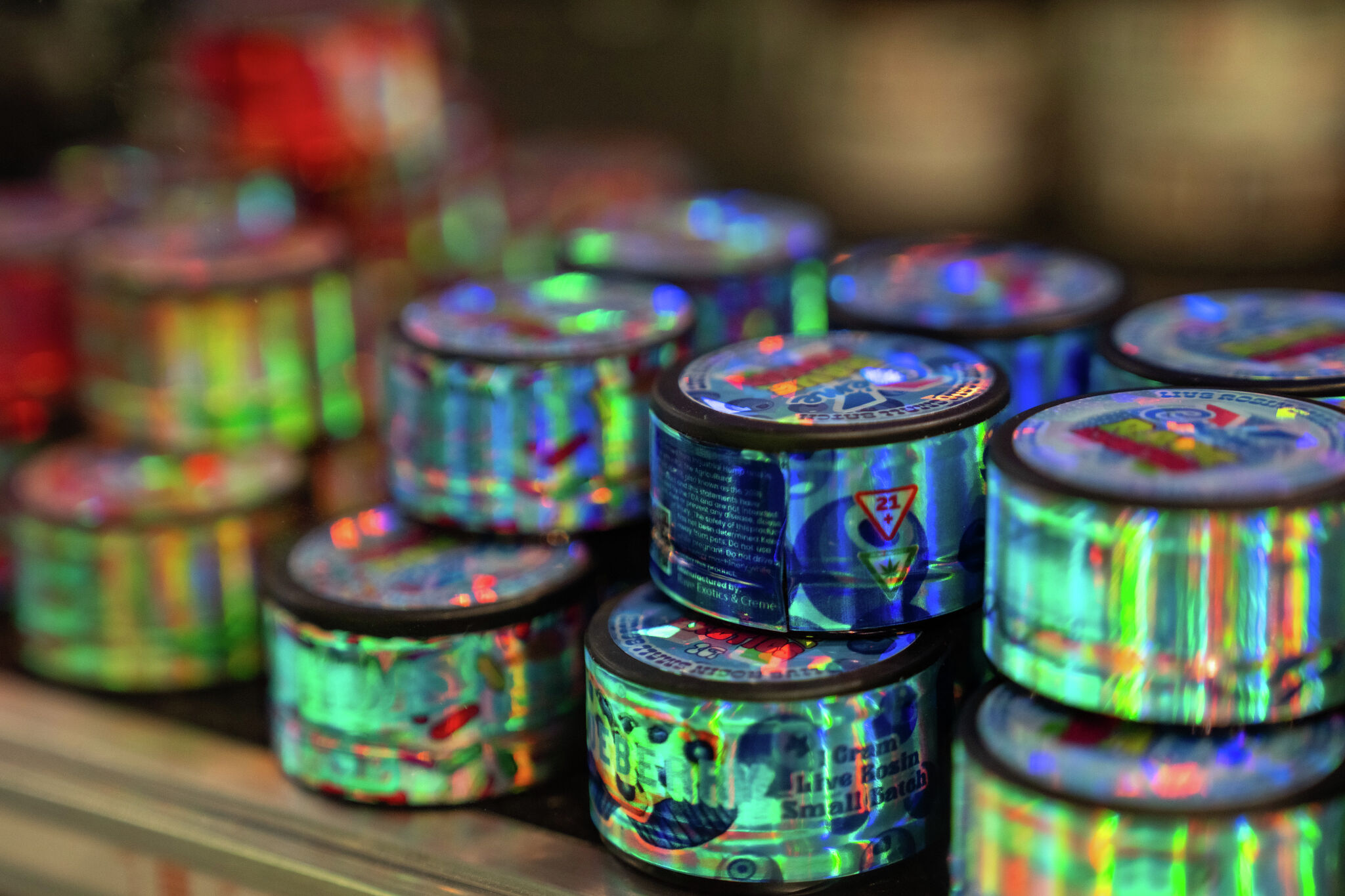
Texas is tightening its stance on delta-8 and other THC products, reopening a debate that began with the state’s 2019 hemp law. That measure was designed to legalize industrial hemp production and create a new cash crop for Texas farmers after federal rules shifted.
What followed was a fast-growing market for hemp-derived products that reached far beyond farms. Items marketed with THC, including delta-8, became widely available in everyday retail settings such as gas stations and smoke shops, turning a narrow agricultural change into a much broader consumer issue.
The current crackdown highlights how that expansion happened. A law meant to support hemp production also created room for intoxicating products to spread through legal and regulatory gaps, leaving Texas officials, businesses and consumers arguing over what should be allowed.
Now, as the state moves to rein in those products, the focus is not only on enforcement but also on the origins of the market itself. The fight over delta-8 in Texas has become a reminder that hemp policy, retail sales and THC regulation have been intertwined since the 2019 decision.