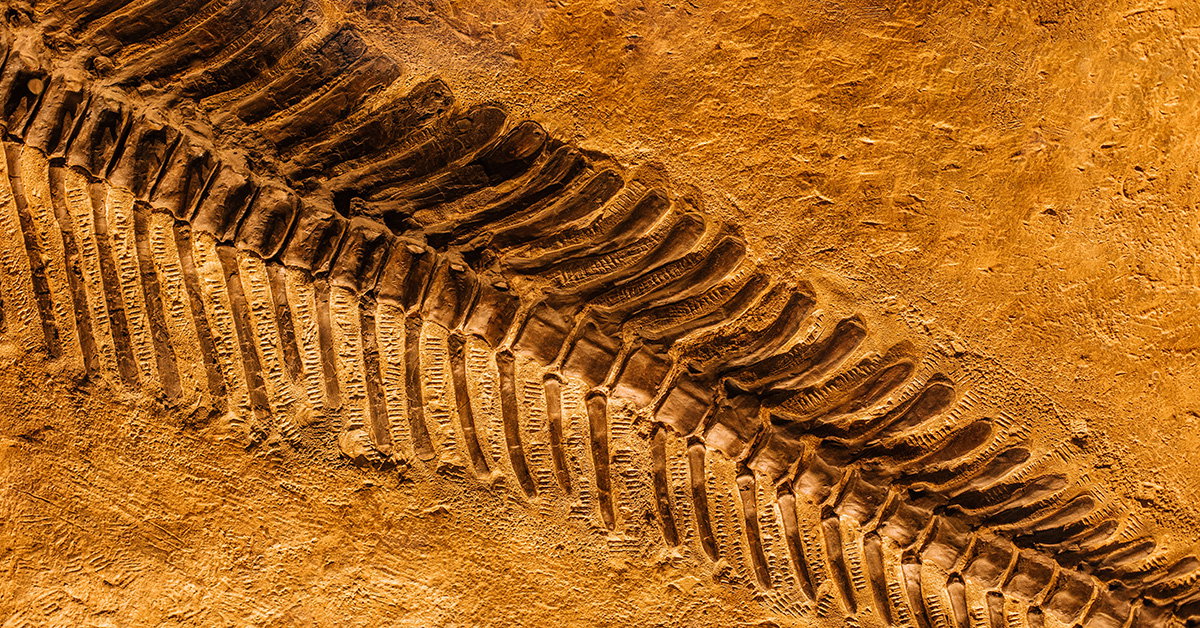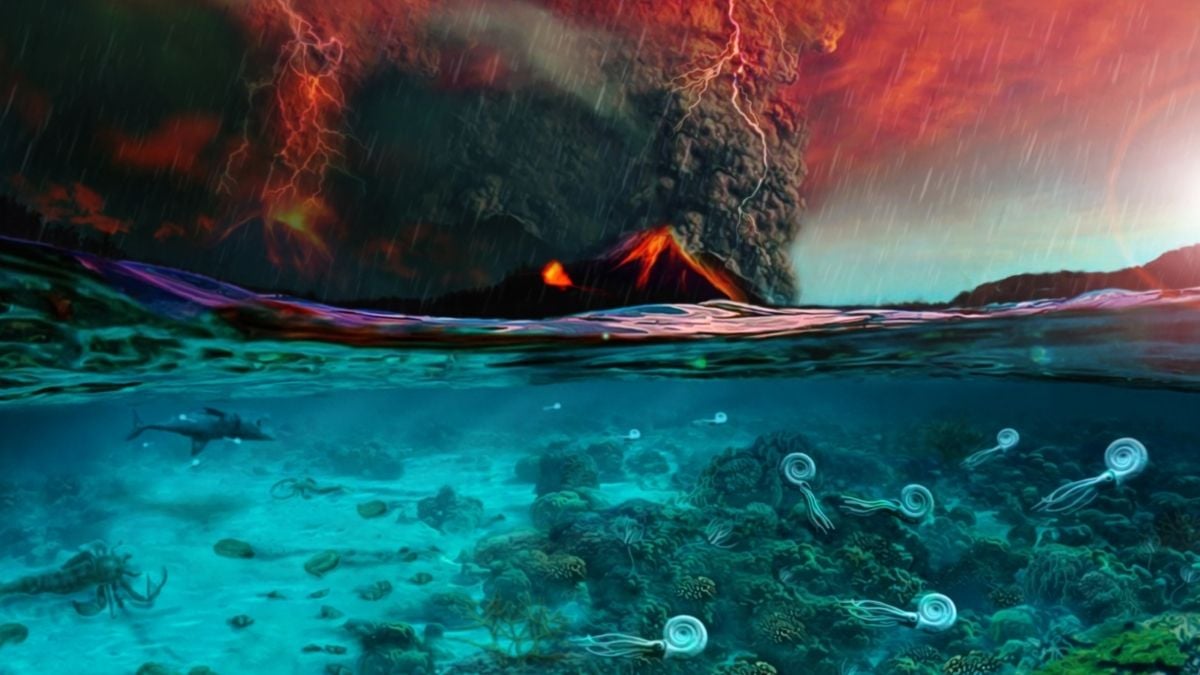
New research highlighted by ScienceAlert revisits Earth's largest mass extinction and the dramatic reshaping of life that followed. For roughly the first 280 million years of animal history, the seafloor was largely ruled by slow-moving organisms such as brachiopods and crinoid sea lilies.
That long era of stability did not last. The report points to a sudden turning point when those once-dominant marine communities were disrupted, marking one of the most profound ecological reversals in Earth's history. The change was not just a loss of species, but a reordering of which kinds of animals could thrive on the ocean floor.
What makes the finding especially striking is its relevance to the present. The study draws unsettling comparisons between that ancient crisis and modern environmental change, suggesting that ecosystems that seem established for vast spans of time can still be overturned when conditions shift quickly.
In that sense, the story is about more than a distant prehistoric disaster. It shows how fragile marine dominance can be, and why the fossil record remains a powerful warning for understanding the risks facing today's oceans.