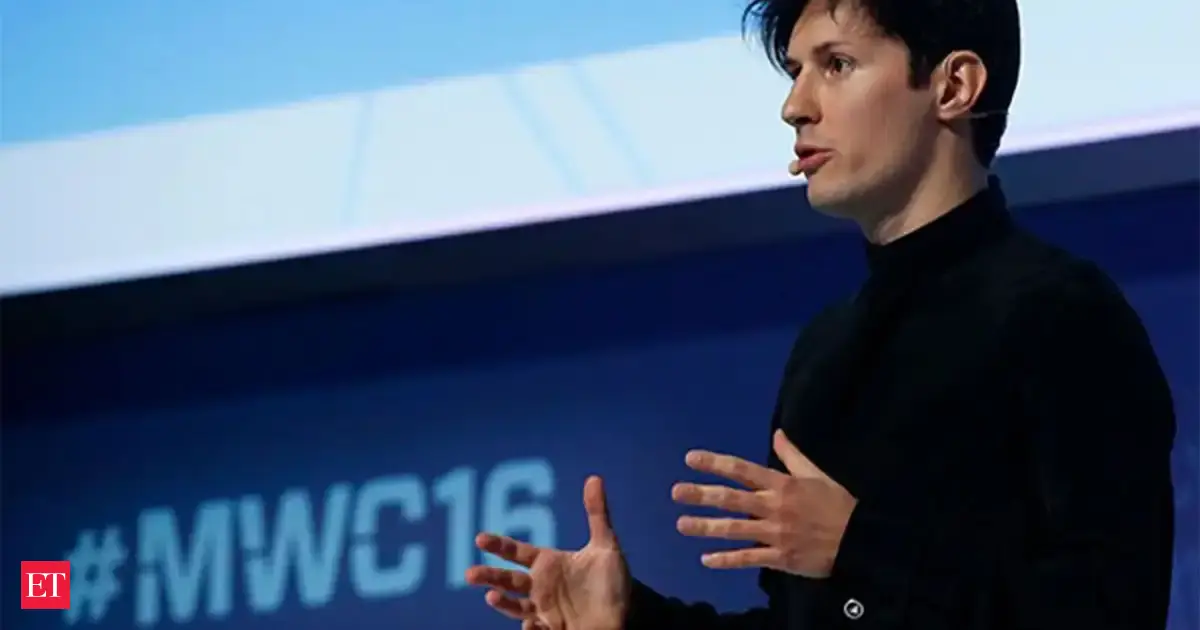
Telegram founder Pavel Durov has sharply criticized Russia after authorities moved to brand him a terrorist, escalating a dispute tied to censorship and surveillance demands. The latest step appears to follow Durov's refusal to cooperate with broad state requirements affecting content and user monitoring on the messaging platform.
According to the report, Russian security authorities have also begun procedures aimed at putting Durov on an international wanted list. The case adds to the long-running tension between the Telegram chief and Moscow, where officials have repeatedly tried to exert more control over digital communications.
Durov responded publicly by mocking the move and suggesting Russian officials no longer seem clear about who has the power to block or punish whom. His remarks framed the terrorism label as political retaliation rather than a legitimate security measure.
The confrontation highlights the wider struggle between governments seeking tighter oversight of online platforms and tech founders who say they are resisting mass censorship and surveillance. In this case, the clash between Pavel Durov and Russia has turned into a high-profile battle over speech, control and the future of Telegram.