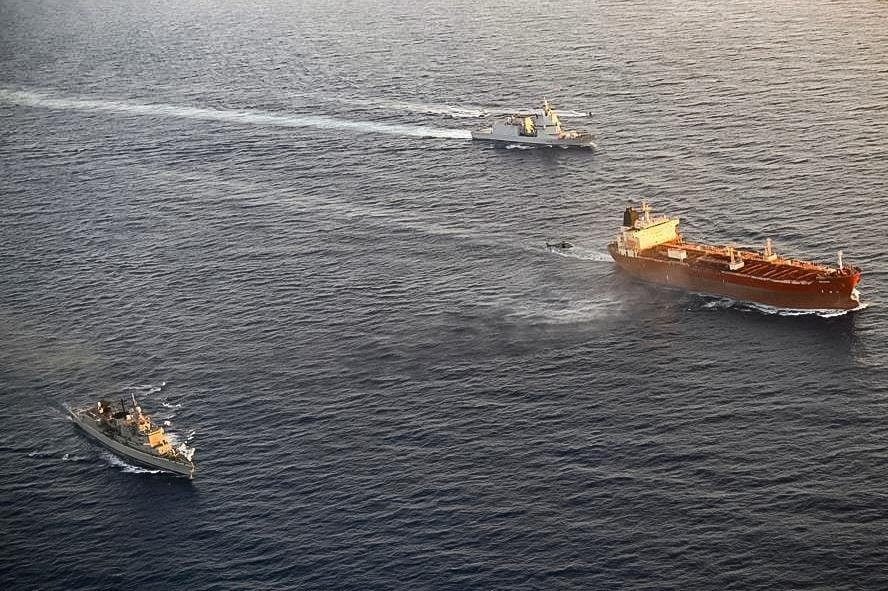
After a brief pause, the war involving Iran has intensified again, with fighting spreading across the Middle East after a temporary ceasefire fell apart. The renewed clashes have revived concern over the Strait of Hormuz, a narrow but vital waterway for global energy shipments. As Iran again signals it could interfere with passage there, the conflict is taking on wider economic importance.
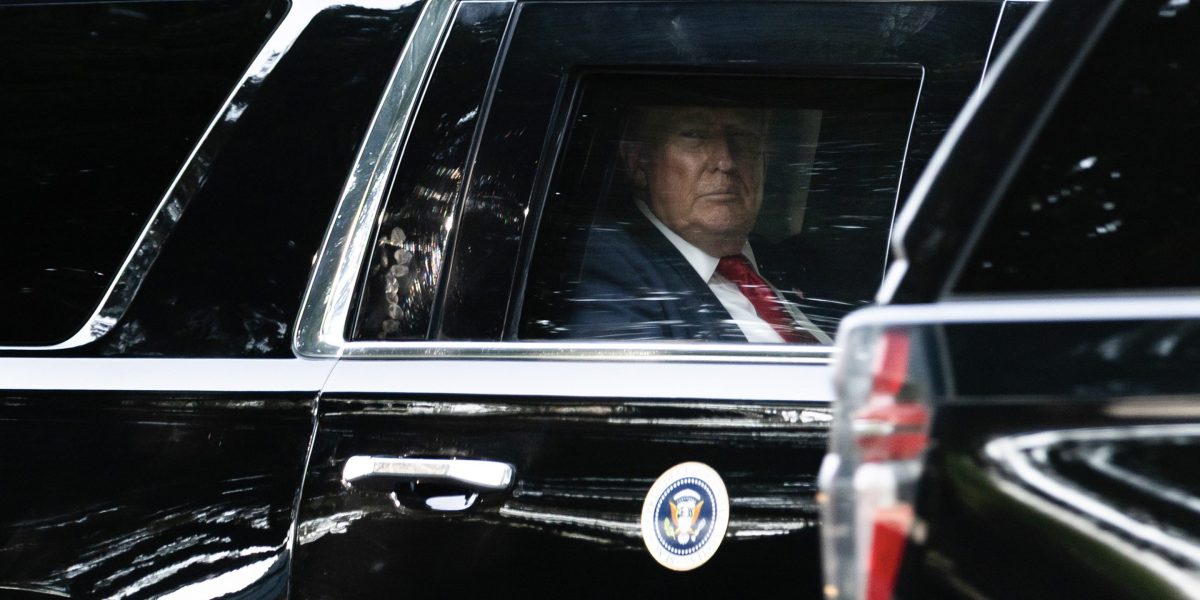
The escalation also sharpens a major strategic dilemma for President Donald Trump. A stronger US response could pull Washington deeper into a long and costly regional conflict. But a more limited approach could leave Iran with greater ability to pressure traffic through one of the world's most important energy routes.
That risk matters far beyond the region. Even threats against shipping through the Strait of Hormuz can unsettle oil markets, raise transport costs, and push governments and companies to rethink supply chains and energy security plans. If the instability continues, the way energy is moved and priced around the world could shift for years.
With the truce now over, the next stage of the war may help determine both the balance of power in the Middle East and the future of global energy trade. The central question is no longer only about military outcomes, but about who can influence access to a passage that remains critical to the world economy.